Kurdish Mobilization for the Murdered Girl

20140529-221926-80366305.jpg

Dunya

A few days ago the horrifying news about a young girl who was the victim of a honourkilling in Dohuk in Northern Kurdistan spread over the world. Dunya, a 15-year-old girl who was in an arranged marriage with a 45-year-old man, according to kurdishrights.org his name was Sleman Ziad Younis, had been killed by him and the photos of her mutilated body filled the internet.

These news are unfortunately not rare in Kurdistan. Violence against women is a wide spread phenomenon – I dare saying this as I have worked with women’s rights issues in the region – and many of these crimes are swept under the rug and forgotten. Only in 2011 domestic violence became illegal in Kurdistan and even though this legal change marked a great step forward, the process of actually implementing the law and change attitudes is very long, as always when a society is in a process of change and is developing from a troubled past. Unfortunately the change was not quick enough for Dunya.

But in the aftermath of the petrifying news something happened. Women’s rights groups – there’s quite a few of them, consisting of both men and women – started to call for a mobilization against what had happened. I actually first found out about this story when one of my male Facebookfriends who is a human rights activist changed his profile picture to the picture of a young Dunya. Progessive Kurdish media condemned the causes of the murder, not only the act itself; Dunya’s parents selling off their little girl to an old man, the society not taking actions against it. Events were being set up to demonstrate against  violence against women and in support of the girls as Dunya. Yesterday May 29 the first event was held, a demonstration outside the Kurdistan parliament in Erbil called “Stand up for Dunya”.

I asked my Kurdish friend Camaran who went how he thought the event was, and he answered:

Today I went to the civil protest that took place in front of the Parliament, and continued for an hour in which the civil servants and human right activists spoke about the ordeals that women experience in their daily life in Kurdistan. 

Dunya has become the symbol of such brutality. A 15 years old child!

But I was generally disappointed at the number of participants… out of 2000 something people that responded to the event on Facebook, only around 150 people showed up.

But even though Camaran was disappointed fewer people than expected showed up, the event marked an important change. Also the fact that he as a man was there and participated in the struggle, just like my other male friend who made Dunya’s photo his Facebook profile picture. Some years ago a similar sight would have been impossible.

Photo credit: nrttv. com

Remembering Halabja

DSCF0183

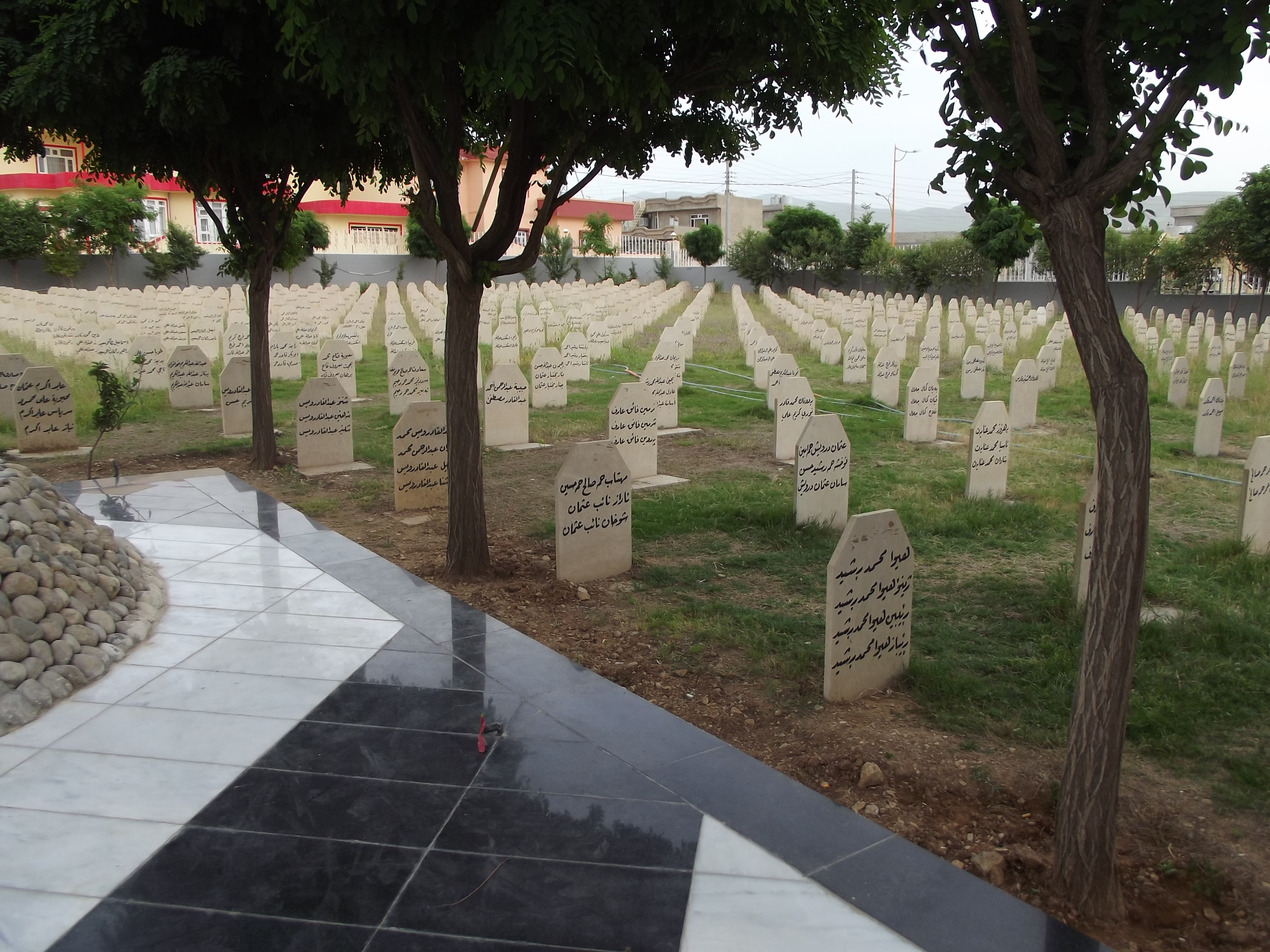
Monument at the Halabja memorial site

On March 16 1988, Saddam Hussein used chemical weapons on his own population, the Kurdish population in Northern Iraq. All of these photos are from the cementary and memorial of the genocide in Halabja, Iraqi Kurdistan, when I visited it two years ago.

DSCF0178

Graves in the cemetary

Between 4.000 to 5.000 people died when the Iraqi airforce indiscriminately bombed the village of Halabja with chemical weapons. What was the reason? The Kurdish people wanted independence, they want to be free from the brutal suppression of the Saddam regime.

Men, women, children and animals all died, some directly, some after a few minutes of vomiting or laughing hysterically. Between 7.000 to 10.000 more people were injured, blinded or paralyzed by the gas that is believed to have included nervgas and mustardgas, injuries that are still today effecting the people that were lucky to survive the attack. Or should we say unlucky? Because what happiness can you experience in life after surviving a genocide?

DSCF0175

Memorial site

The Halabja genocide took place centuries ago but the act of erasing a rebellion by gassing people to death is a method that is still being used by dictators whom are desperately clinging on to power no matter what suffering it brings their own countrymen. Tomorrow is the international day for remembering the victims of Halabja – but let’s also keep in mind the people in another country, where civilians have been subject to the same crime against humanity as recent as last year. Let’s keep in mind our brothers and sisters in Syria.

DSCF0186

Memorial site

Assyrian Church in the Mountains of Iraqi Kurdistan

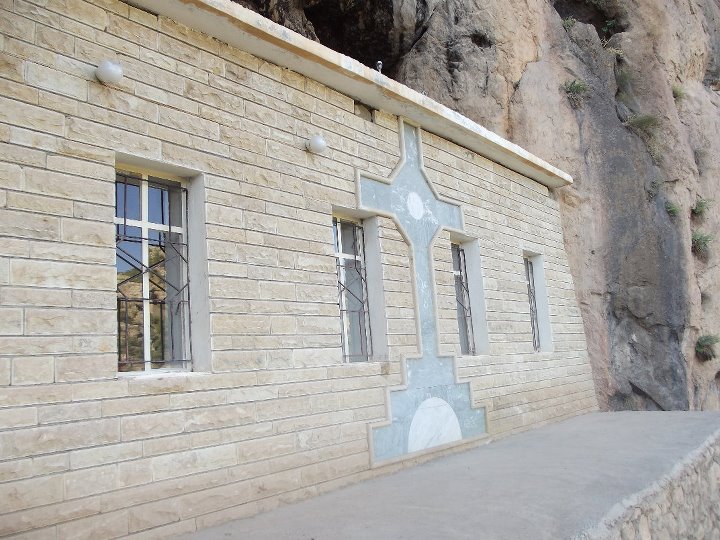
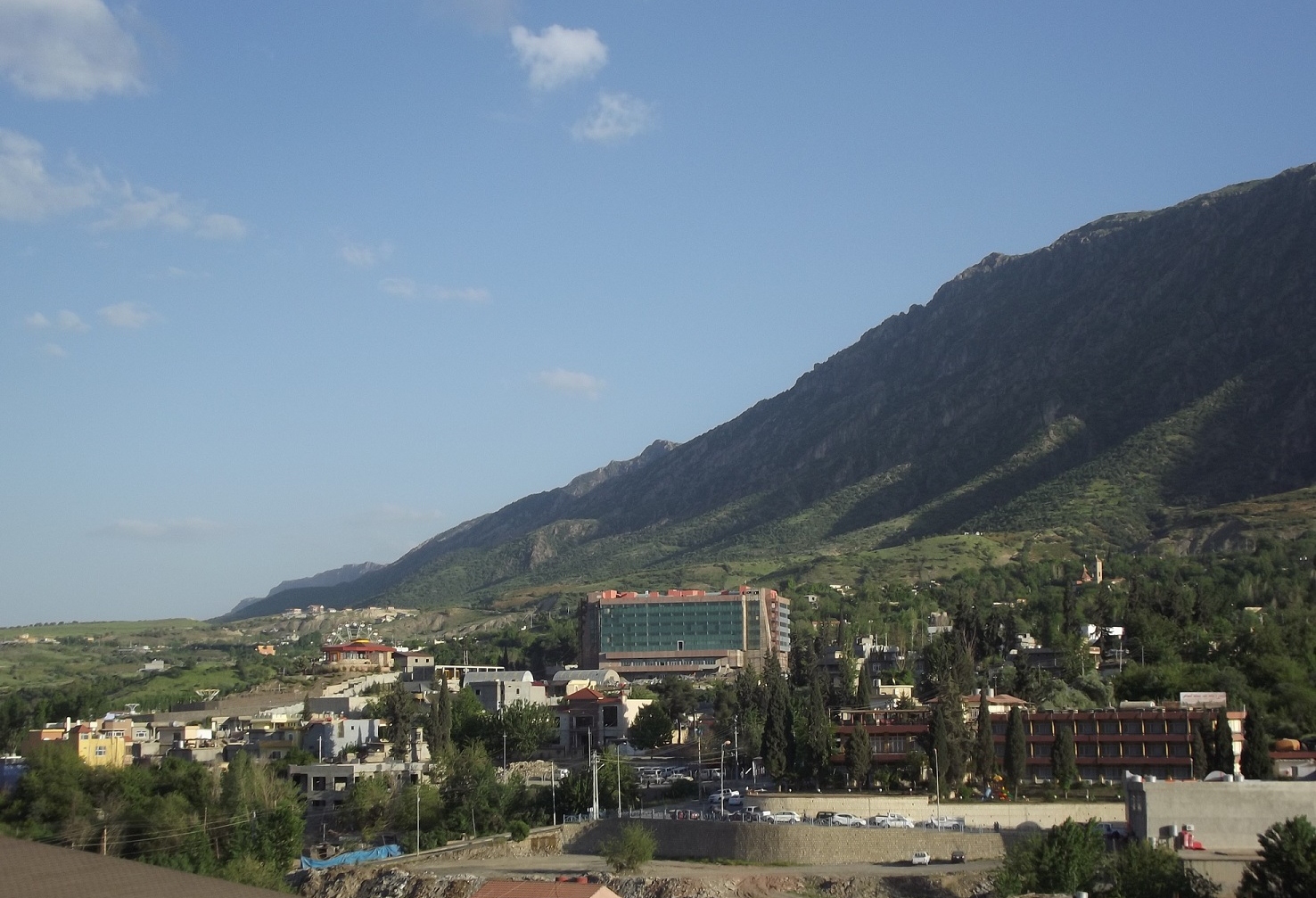
In the area of Barwar in Dohuk governorate, northern Iraqi Kurdistan, the Assyrian minority that is dominating in the villages has made their mark throughout the history.

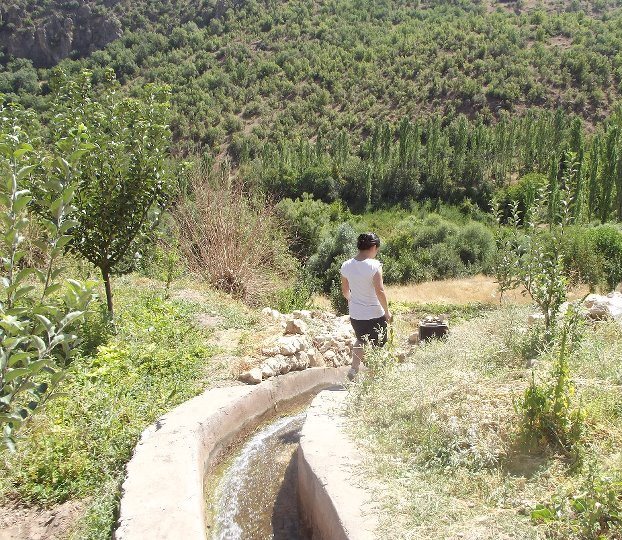
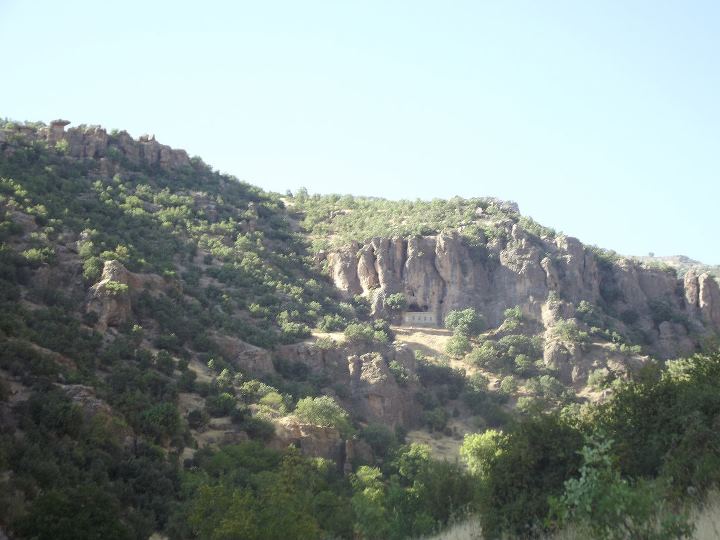
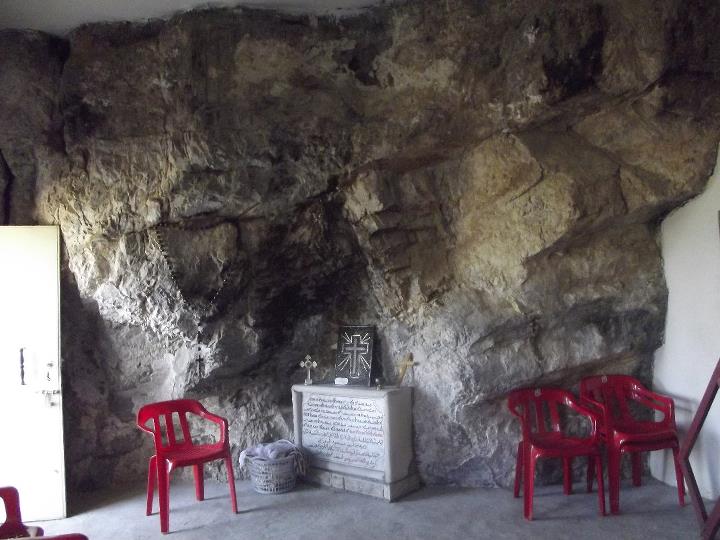
In one of the caves in the mountains a small church has been carved out. There is no way to reach the Marqa Yoma church by car – you have to climb the mountain to get there.

DSCF0687

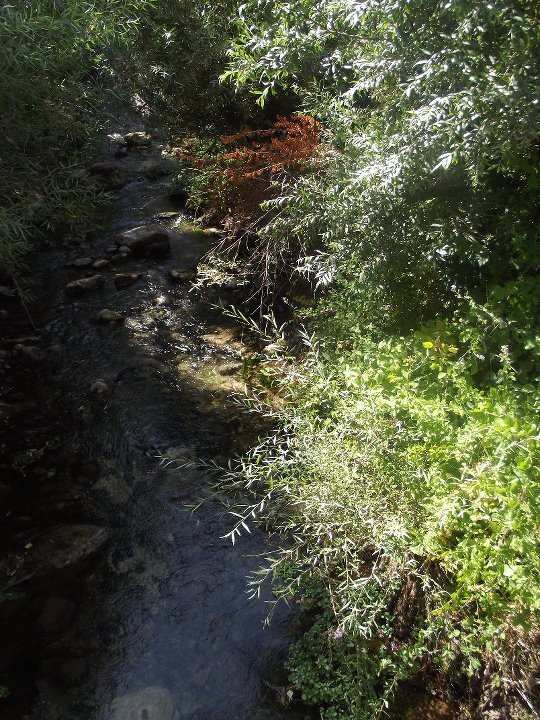
Nature is amazing due to the water wells.

dohuk

dohuk 2

Can you see the small church in the middle of the photo below?

church

It takes time to reach and it’s closed most of the time, one of the women in the village has the key.

church 2

One small room…

church 4

church 3

…and Assyrians from other parts of Iraq that have chosen to be buried next to the church in the mountains. For a minority that has survived several massacres, fleeing from place to place, it can feel good to finally come home.

DSCF0726

DSCF0725

Photos: Copyright Sweden and the Middle East Views Blog

The Americanization of a Middle Eastern City

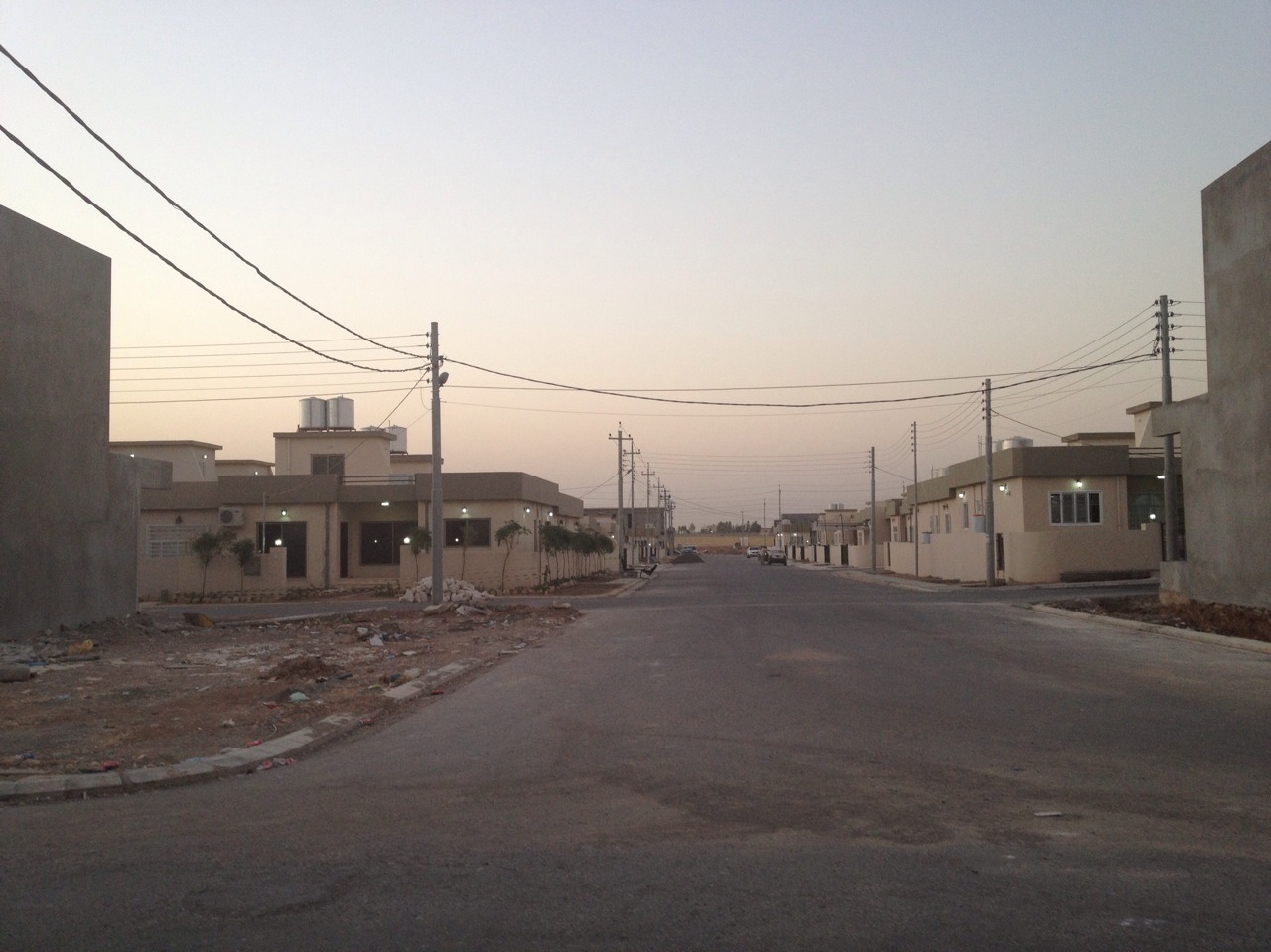
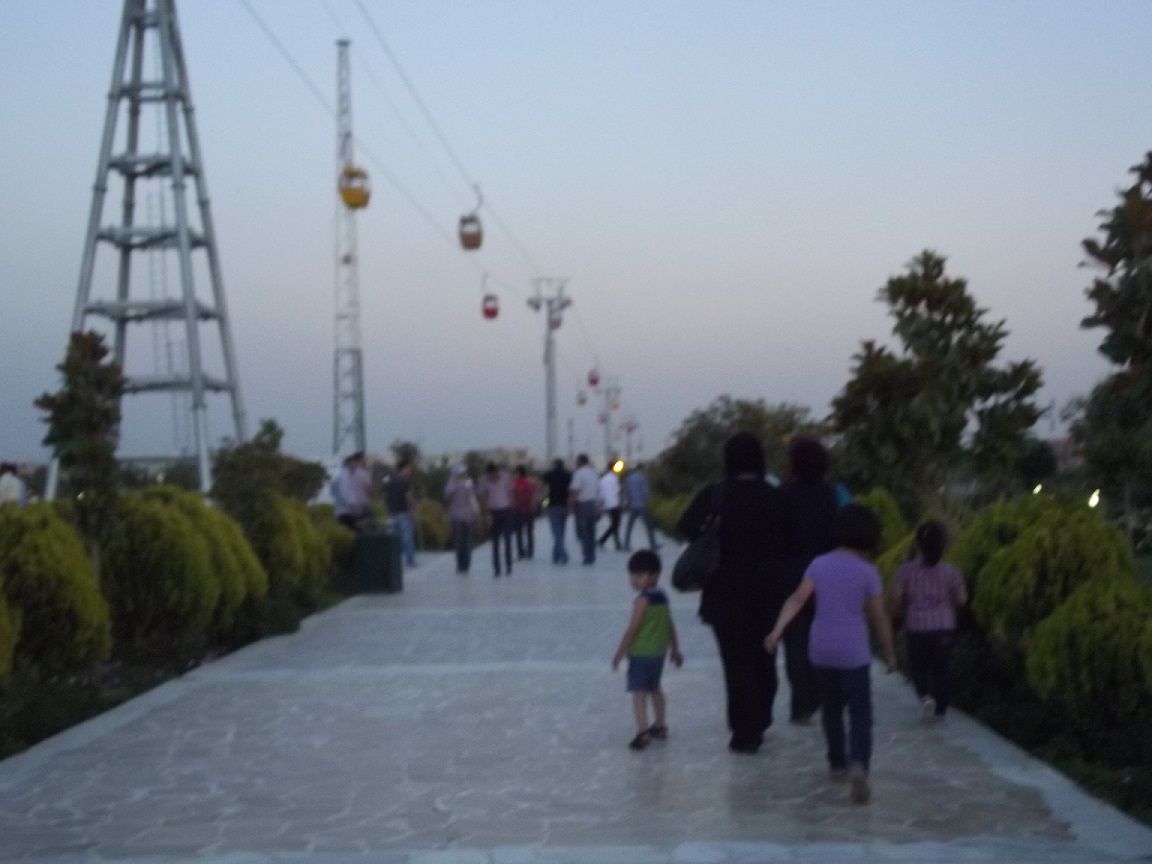
Iraqi Kurdistan has an amazing nature and beautiful parks. But the capital Erbil was long a city with little infrastructure because of the many wars, and has only started to build up the last decade. Where other cities in Kurdistan had roads, sidewalks and restaurants, Erbil is still in many of it’s neighborhoods a city someone called “The wild west”.

So what happens when a region starts to rise up, especially if it’s full of oil? The international companies enters big-time, most of them American – and the urban planning of tags along. Kuwait saw the same development after the Gulf War.

erbil 3

So in a city that copies the big cities overseas, before you plant trees you build villas guarded by fence.

erbil 1

Or high-rise buildings before you finish the roads.

erbil 2

…and no supermarkets to add some life to the suburban blocks. Internationalization has its benefits, but also its doubts.erbil 4

Shanadar Park, Erbil

park 1 ny

park 4

Photos: Copyright Sweden and the Middle East Blog

Spring in Iraqi Kurdistan

Photos: Copyright Sweden and the Middle East Blog

The Rise of Kurdistan

Photo: Copyright Sweden and the Middle East Blog

A few years back, what did you associate Kurdistan with? If you had the same idea like me, an isolated war-torn place in the mountains might be what came to your mind.

In the few years after receiving it’s independency, Kurdistan has rised from it’s broken past and is now a developing region with a booming economy. Tourist resorts, 5 star hotels and fancy restaurants has taken the place of the refugee camps that we got so accustomed with on TV. If you’re in Erbil and looking for a night out, you can go to “Salsa Erbil” or any of the other Facebookpages dedicated to entertain young and bored people.

DSCF0277

Photo: Copyright Sweden and the Middle East Blog

I love to show Iraqi Kurdistan in photos, because it proves that a country or region can build itself up from a broken past and turn into a beautful place.

To Kurdistan now Iraqis from Baghdad and Basra go for vacation, to get away from the violence and unstability in the South. It used to be the other way around.

Photo credit: WOMEN NEWS NETWORK

My Friendship With a Man From Kurdistan

Nabaz

During a night out in Erbil, Iraqi Kurdistan, I ended up sitting next to a man in the crowded garden of the Deutsche Hof, the kind of pub that pops up wherever American troops make their way into countries: the smoky garden made a healthy person develop asthma and at the other table a group of soldiers pounded their glasses on the table, chanting army songs. I didn’t think the evening would provide the starting point for a friendship, and I might not have thought that I as a European woman could be close friends with a man from Kurdistan – but your own prejudices sometimes prove you wrong.

The man was not as happy in Erbil as I was. I soon realized that a life of sudden escapes and being a refugee didn’t create a positive atmosphere around a place.

“I’m quite a negative person”, Nabaz bravely introduced himself. “I always expect the worst.”

Despite our different perspectives on things we started to talk. His stories from Baghdad where he grew up made me curious – he was obviously not the regular young guy showing off his money in this newly wealthy area. He had finished a degree in security studies, politics and sociology were his passion, and he had received a scholarship to do his master in UK. We talked politics and travels, mocking the quick development of Kurdistan that created a new bar in every corner, but with a lack of printed books that made students develop eye problems from too much staring on their Ipads.

It was fun to hang out with Nabaz and his friends, they mixed easily women and men from different ethnic backgrounds, but it was Nabaz that I came to be close with. He cared about his friends – his girlfriends without car he picked up and drove back home in the evenings, sometimes spending hours touring around the city, not to leave anyone out. We went to the café Tche Tche’s for a sheesha with friends, spent evenings in the garden of the magnificent Lebanese restaurant, or hung out in the car, driving around the city talking.

“I don’t know how we would have survived if civilians didn’t help us”, he once told me about the bombings of Kurdistan in his childhood. “People just poured over the border to Iran and the families on the other side of the Iranian border took us in.”

He remembered seeing women holding up their babies to overcrowded trucks, begging them to take only the babies, but there was no place. Other stories he told me, on love and control in a society that I was just to get to know, amazed me. Few men I know dare to open up so much about their emotions.

How could it be that a woman that had travelled all over and had all sorts of relationships, lent on a younger man for support? A guess is that his experiences provided a depth of knowledge on how life can treat or mistreat you, and therefore how situations might be solved. I found myself texting at different times for advice. He was always ready to talk (except from when he was in trouble himself and went off to get drunk somewhere. Hopefully the roles could be reversed at such times): A man that didn’t call back? He was just insecure next to an independent woman. A meeting with an old friend that ended in disappointment? “Jenny, people change. Usually to the worse”. I couldn’t have paid a counselor to get the life advice Nabaz provided me with.

In this blog I’m writing about women that have made an impression on me, but when it comes to women’s rights it’s important also to mention the men. To me Nabaz is an example of someone who empowers the women around him. To this day I’m also surprised with the fact that a person is willing to invest so much in a friendship with someone who only touches base in their hometown, a person that it will take time to get to know. I hope I’ll be able to provide the same response to someone else one day, on an evening when I don’t expect to meet someone new. At least I’ll be keeping my guards down; not thinking a friendship cannot be possible.

Photo: Copyright Sweden and the Middle East Blog

Women’s Rights Magazine in Iraqi Kurdistan

Warvin magazine

There are several women’s rights NGOs in Iraqi Kurdistan, and one of the most radical ones is Warvin Foundation for Women’s issues, a news agency consisting of both female and male journalists.

There’s a lot of talk about women’s rights worldwide, and in Iraq you will meet few NGOs or government officials that won’t say that they support it. Well who would, when the international funding depends on it? Instead, bring up a ban on domestic violence. Or joint custody for the children after a divorce. To be really provocative, say something about sexual liberty for women. The response will never be as enthusiastic.

Warvin’s feminist approach make them stand out. They bring up all kinds of violations against women in Iraq, that many other organizations and local media shy away from, such as self-immolations and domestic murder. But they also cover the steps forward for women’s rights in the region that you might not hear about in international media. Have a look for example on the news about the first brigade of Kurdish women soldiers or how women’s issues are brought up on agenda even in the most troubled Iraqi regions such as Kirkuk.

It’s easy to say you’re a feminist in Sweden, quite more difficult in a patriarchal society such as Iraq. I genuinely admire the women and men who do. Check Warvin’s website out, or their Facebooksite, I guarantee you’ll learn something new. Maybe you can even share their page to support them?

Photo credit: Warvin Magazine

Lava and the Swedish Beauty Salon

Lava Marof at her university graduation

I first heard about Lava when given a ride by a young man in Erbil, Iraqi Kurdistan, after a job meeting.

“My cousin is also from Sweden”, he said. “She moved back here with her Swedish husband a while ago and opened a beauty salon”.

Not knowing many Kurdish girls marrying to Swedish men, I was hesitant to believe it. But Erbil is like a village despite its size, and many people mentioned Lava and her beauty salon. After an incident at a hair salon where my haircut came out awful, I scanned the city for someone to fix it, and found a salon called En-Vy behind shaded doors in the area Ainkawa. In the back of the salon was a girl in hip square glasses, mixing colors and chatting in Kurdish. It happened to be Lava that people were talking about; a Kurdish girl from Sweden who spoke my dialect of Swedish. I became a regular customer at En-Vy’s, their style being so different. En-Vy was a place for many open-minded women to hang out and drink coffee while having hair extensions inserted for the weekend or makeup done before weddings. After a while I also got to know more about Lava.

Deciding to move back to Kurdistan with her family in 2004 after graduating from high school, to a city someone described as “the Wild West” – at that time there were hardly no streets, bars or cafés – Lava Marof was determined to be a part of the process of rebuilding her country.

“I felt like wow, I can be a part of building this country”, she tells me on Skype from Malaysia, where she now lives.

She held down several jobs; one of them at Ministry of Education, revising the English material for schools, and she pursued her university studies at the same time. It wasn’t easy being a girl from Sweden, obviously independent.

“Your daughter is out all the time”, the neighbors would complain to Lava’s mother.

“She’s out all the time because she has three jobs”, the mother would reply.

“Why does she need to have three jobs?” the neighbors would ask, puzzled. “Is she not going to get married?”

Nevertheless Lava stayed put. She was proud of being Kurdish and determined to be a part of the newly independent Kurdistan Autonomous Region. After graduating from Salahaddin University she went back to Sweden where she met her future husband to be, Alex. Quickly she decided to bring him to Kurdistan to visit her family.

“I told Alex he had to ask my father for my hand”, she said. “There are certain things in my culture that are precious and that I want to maintain.”

They married and moved together to Erbil. Alex free-lanced within digital media and Lava fulfilled her dream of opening a beauty salon with European standard, importing all products from Italy, the staff being both men and women. I asked how this was possible with many veiled customers.

“Some accept the male staff cutting their hair, some don’t, and they might go somewhere else”, Lava said, also explaining that the shaded doors protected from view from the outside and that male customers was not welcome – this mix between conservative and Western oriented customer service obviously being enough to keep a large group of women coming to the salon.

As it has not been to walk her own path between two countries and cultures, I ask Lava about the worst thing she has experienced and she retells a story on how she and Alex together with a group of friends checked in to a resort in Rawanduz. The receptionist demanded to see the marriage certificate, and upon seeing it, asked Lava if there had been no Kurdish men left for her so that she was forced to marry to a European. Lava snapped back: ‘Yeah right, since all Kurdish men are thinking like you’.

“Sometimes you just have to show who’s in charge”, she concludes.

Photo credit: Lava Maroof