Old Iraqi Photos

A Facebookpage that I follow is dedicated to show the world the old Iraq and regularly posts photos of a country many didn’t know exists. This is how the Rare Iraqi Pics page describes itself:

“Nostalgia is the only balm when we grow older… We miss our beginning as we approach the end.”

The page is popular, it has almost 40.000 followers, but the updates and descriptions are done in Arabic so many Westerners might not come across the page so easily. Therefore I decided to write about the page and share some of their photos with translations in English, with you.
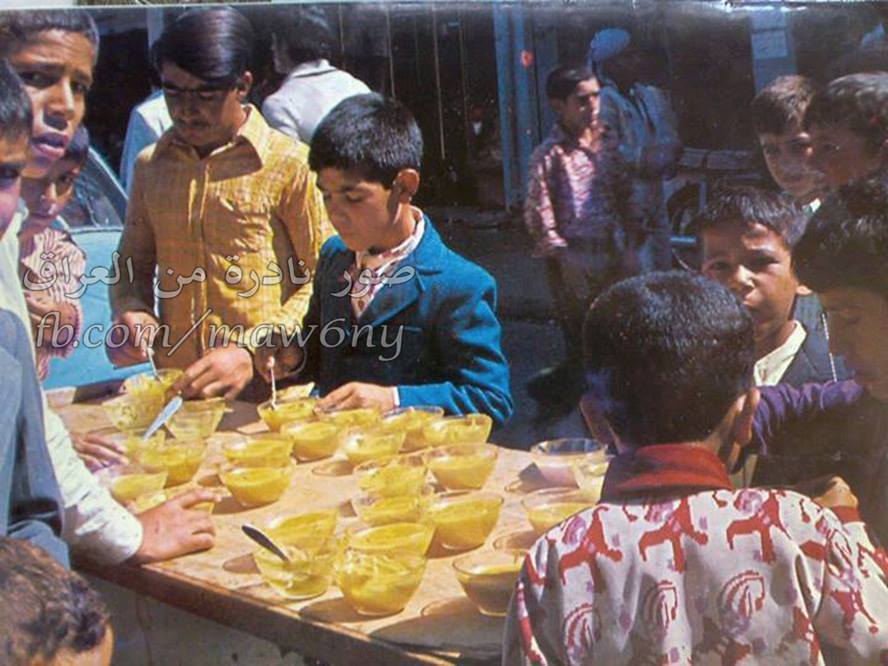
Eid Mosul

Eid in Mosul, Northern Iraq, one of the cities now under control of ISIS, 1976

Tigris river

Tigris river, Baghdad. Year is unknown but the card is printed in 1955

seta

Seta Hagopian, Armenian-Iraqi singer, the photo is probably from early 1970s. Seta Hagopian was one of the first singers to combine old Iraqi songs with Western instruments. She’s still active and lives in Qatar and Canada since the late 1990s. You can find her MySpace page here.

fashin shoot

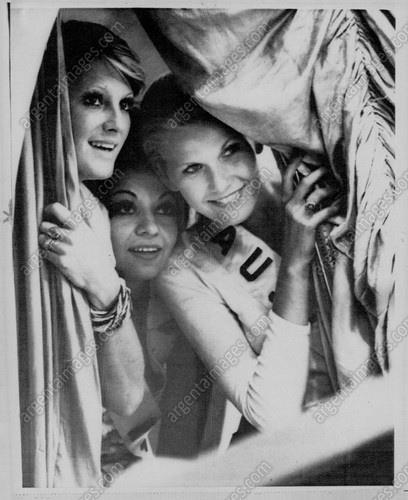
Fashion shoot in the marshes, a wetland area in Southern Iraq, 1974

Photo credits: Rare Iraqi Pics Facebook community

There’s More to Dubai Than the Scyscrapers

I admit it, I have a thing for the Gulf. And Dubai is more than the expats, more than the oil, more than the fast money. There are beautiful places worth seeing, if you go off the beaten tracks.

These photos date a few years back to one of my trips to Dubai.

Photo copyrights: Sweden and the Middle East Views Blog

Another Side of Baghdad

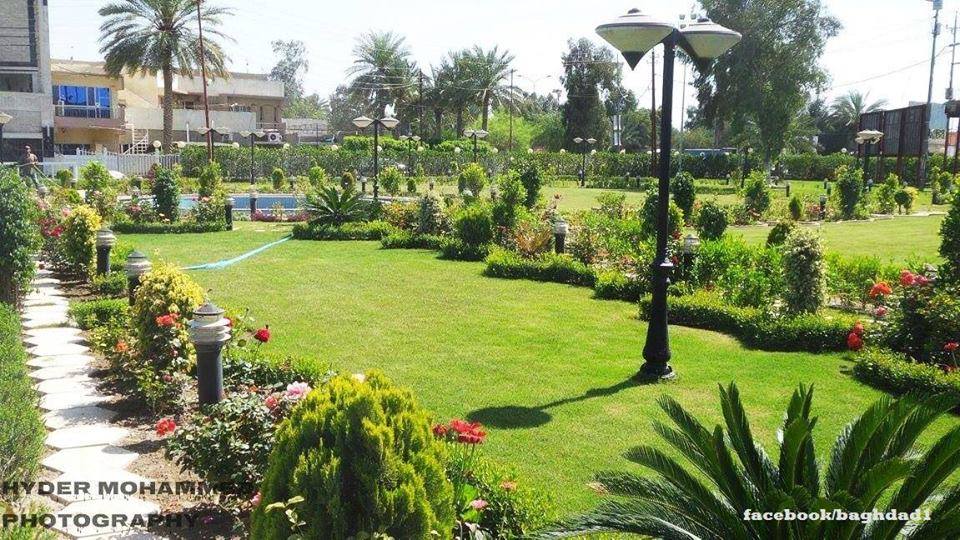
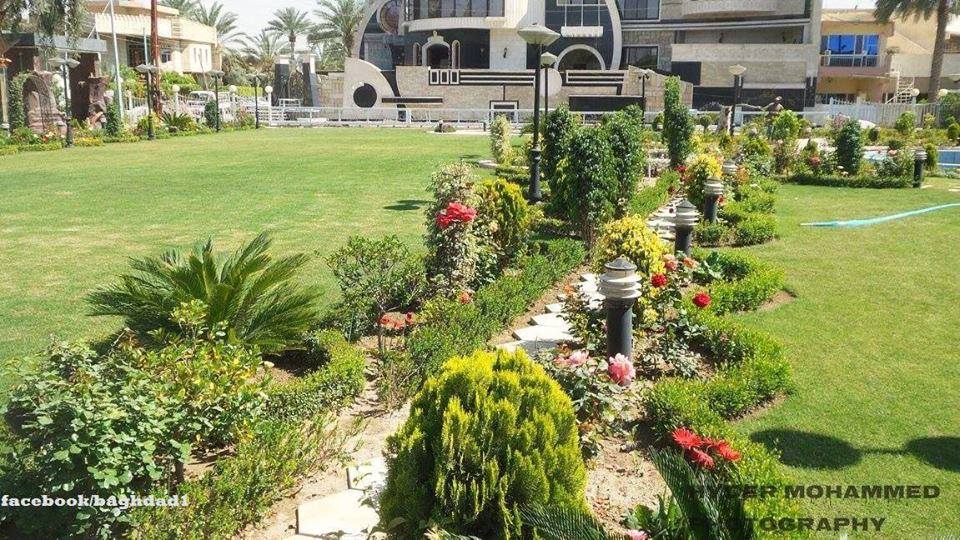
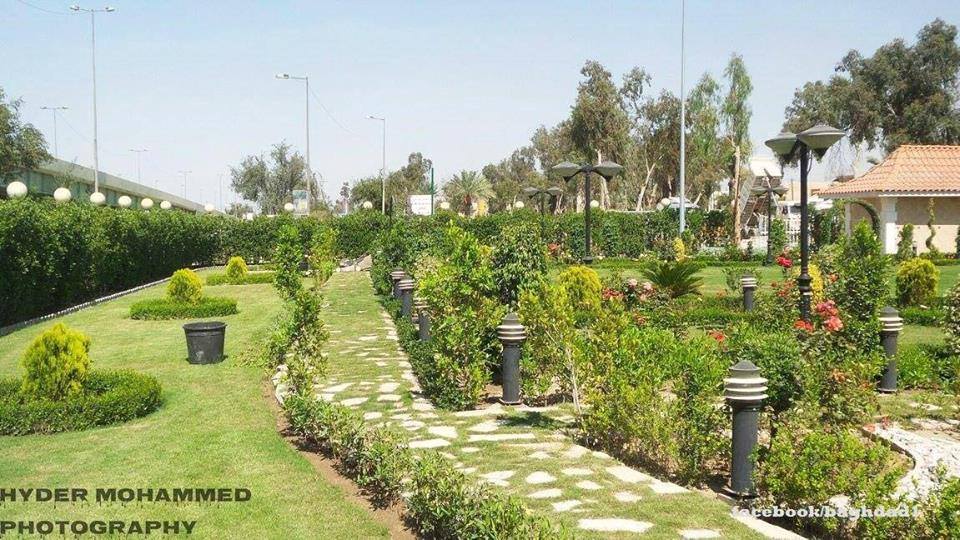
Gardens in Zayona district, Baghdad. Thank you Nawar Al-Saadi from Tourism in Iraq for allowing me to publish these photos! There are more sides than one of Baghdad.

Photo credits: Tourism in Iraq

Photos of Iraqi Beauty Queens

The beauty queen contest was once a natural part of the Iraqi society and the country is still represented in international beauty contests, at the moment being by Ruth Benyamin. But it’s no longer possible to hold the competition in Iraq. Here are some glimpses of former Iraqi beauty queens.

Thank you Talat Model Management for allowing me to publish these photos!

renee dangoor 2

1947: Renee Dangour, the first Miss Iraq

1972: Iraq’s Maiden of Beauty Contest. Wijdan Sulyman, no 19, won the pageant and went on to represent Iraq in Miss Universe the same year

1972: Miss Iraq Wijdan Sulyman in the middle, during the Miss Universe Pageant in Puerto Rico

Miss Iraq’s logo 1987-2006


Photo credit: Talat Model Management

Beirut Randoms

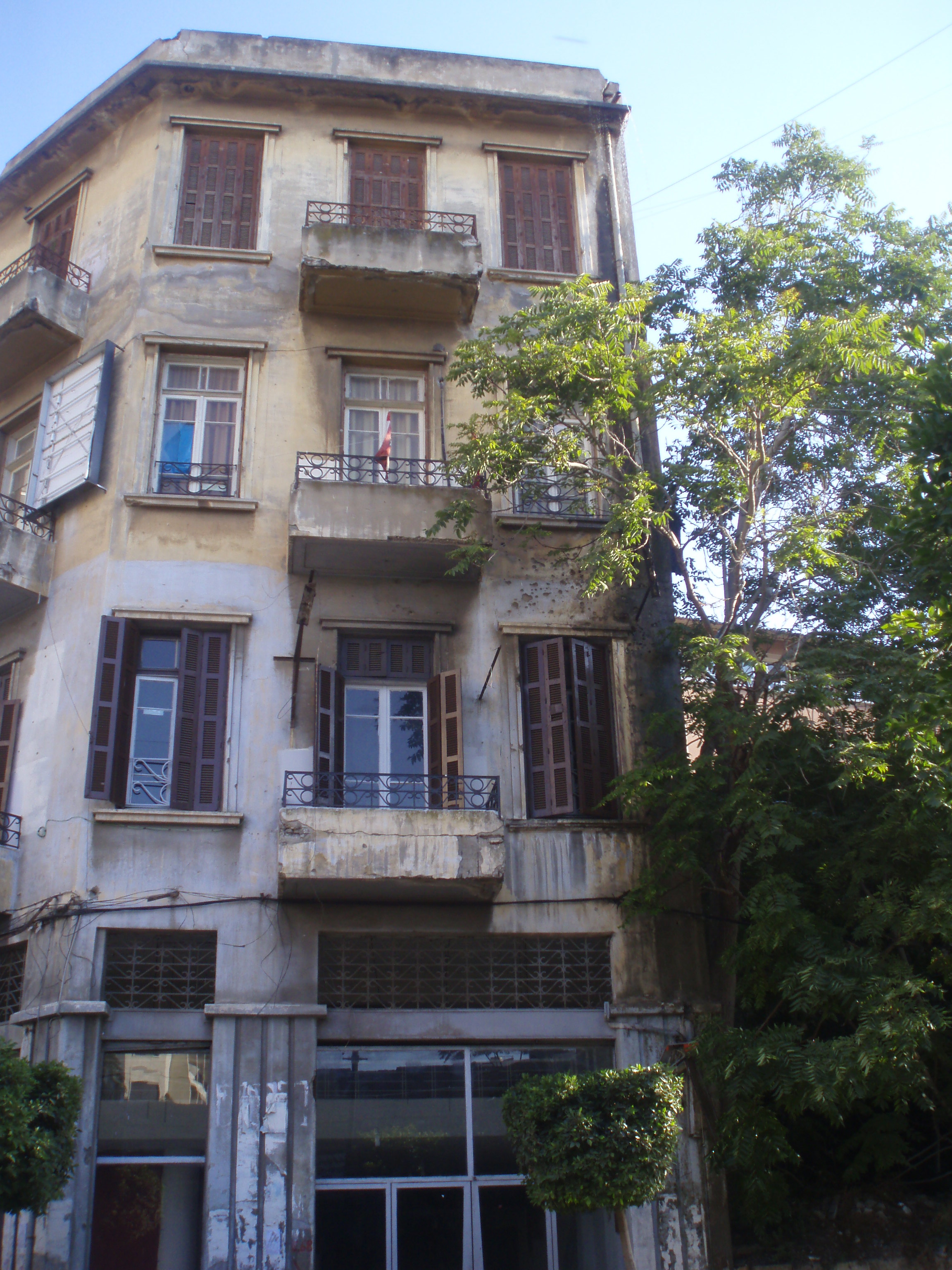
Do believe the rumours, it is a fascinating city.

Remembering Halabja

DSCF0183

Monument at the Halabja memorial site

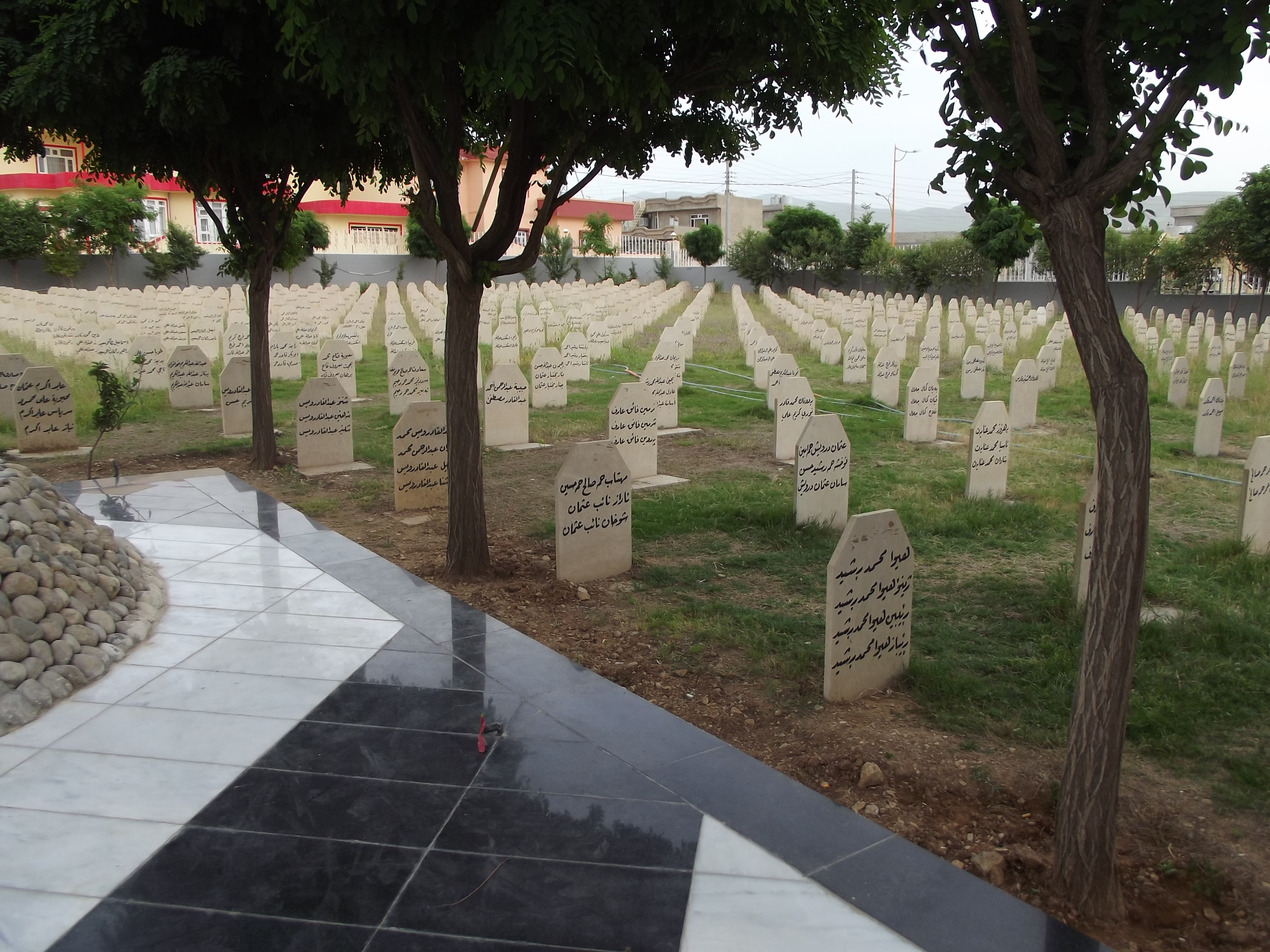
On March 16 1988, Saddam Hussein used chemical weapons on his own population, the Kurdish population in Northern Iraq. All of these photos are from the cementary and memorial of the genocide in Halabja, Iraqi Kurdistan, when I visited it two years ago.

DSCF0178

Graves in the cemetary

Between 4.000 to 5.000 people died when the Iraqi airforce indiscriminately bombed the village of Halabja with chemical weapons. What was the reason? The Kurdish people wanted independence, they want to be free from the brutal suppression of the Saddam regime.

Men, women, children and animals all died, some directly, some after a few minutes of vomiting or laughing hysterically. Between 7.000 to 10.000 more people were injured, blinded or paralyzed by the gas that is believed to have included nervgas and mustardgas, injuries that are still today effecting the people that were lucky to survive the attack. Or should we say unlucky? Because what happiness can you experience in life after surviving a genocide?

DSCF0175

Memorial site

The Halabja genocide took place centuries ago but the act of erasing a rebellion by gassing people to death is a method that is still being used by dictators whom are desperately clinging on to power no matter what suffering it brings their own countrymen. Tomorrow is the international day for remembering the victims of Halabja – but let’s also keep in mind the people in another country, where civilians have been subject to the same crime against humanity as recent as last year. Let’s keep in mind our brothers and sisters in Syria.

DSCF0186

Memorial site

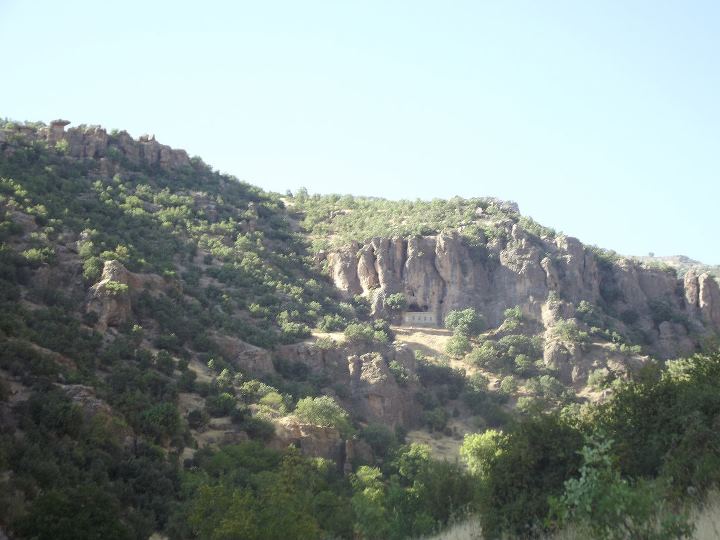
Assyrian Church in the Mountains of Iraqi Kurdistan

In the area of Barwar in Dohuk governorate, northern Iraqi Kurdistan, the Assyrian minority that is dominating in the villages has made their mark throughout the history.

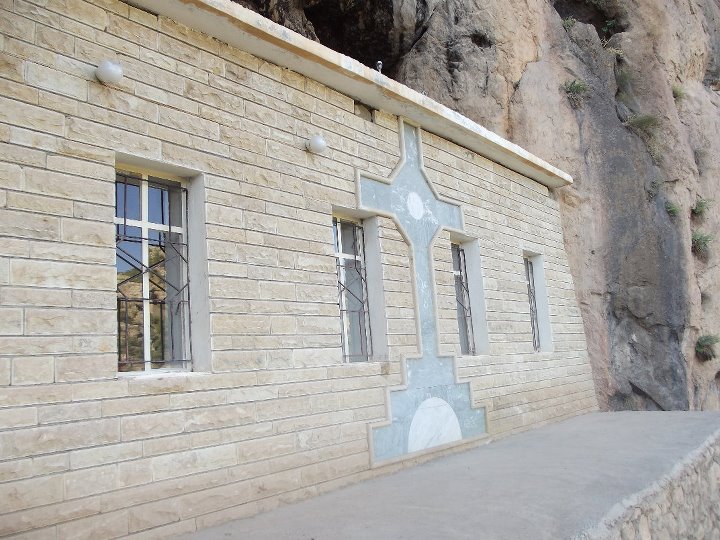
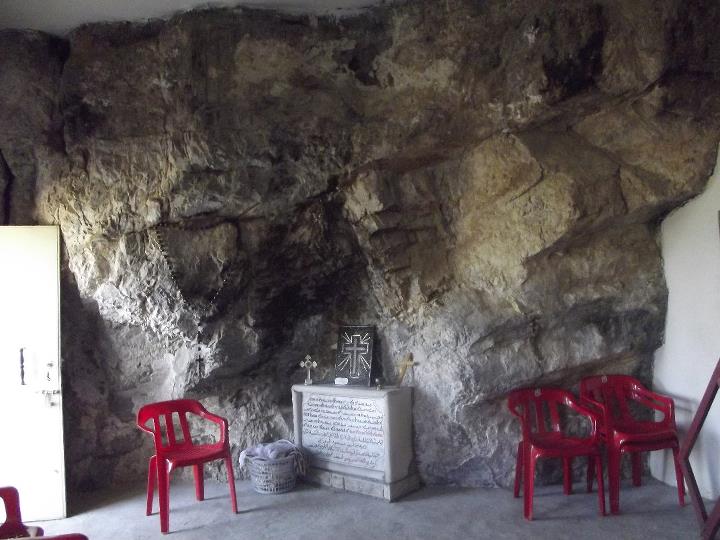
In one of the caves in the mountains a small church has been carved out. There is no way to reach the Marqa Yoma church by car – you have to climb the mountain to get there.

DSCF0687

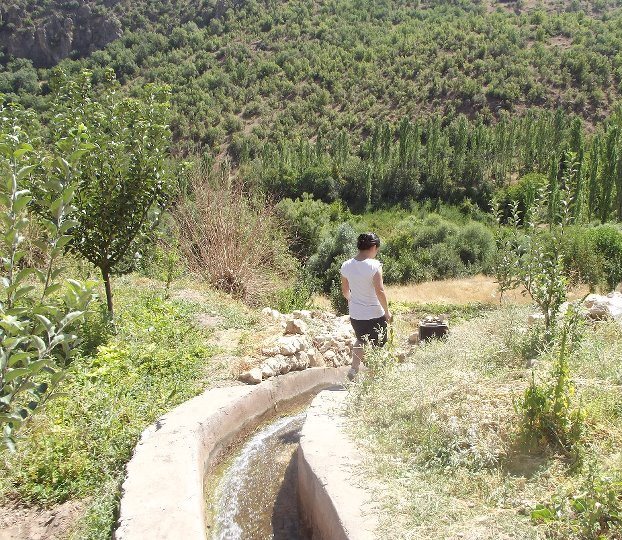
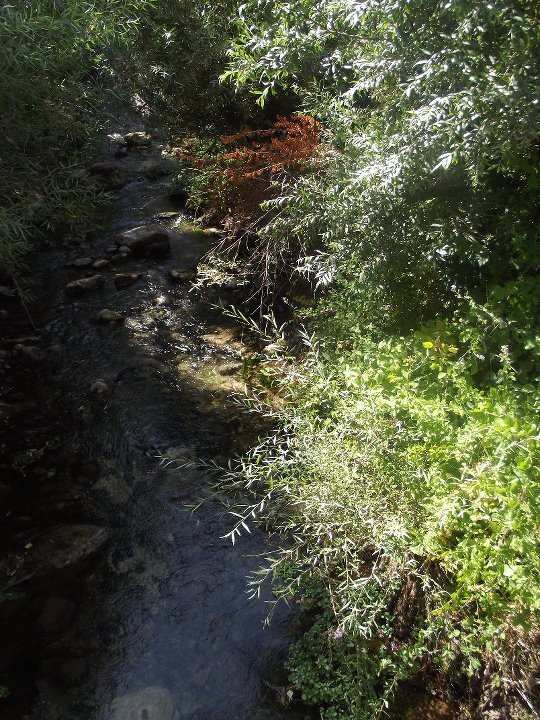
Nature is amazing due to the water wells.

dohuk

dohuk 2

Can you see the small church in the middle of the photo below?

church

It takes time to reach and it’s closed most of the time, one of the women in the village has the key.

church 2

One small room…

church 4

church 3

…and Assyrians from other parts of Iraq that have chosen to be buried next to the church in the mountains. For a minority that has survived several massacres, fleeing from place to place, it can feel good to finally come home.

DSCF0726

DSCF0725

Photos: Copyright Sweden and the Middle East Views Blog

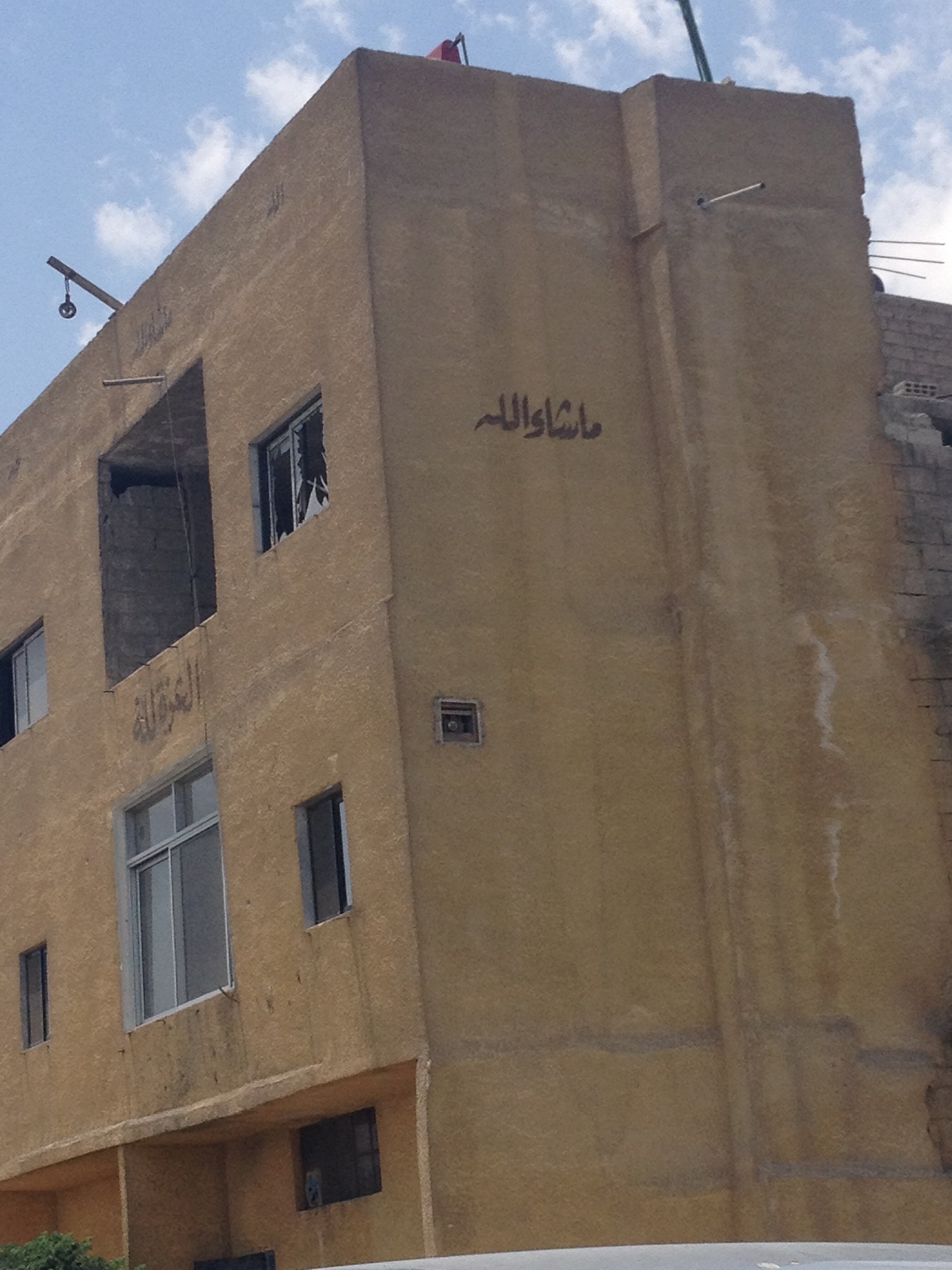
God Save Our House

Writing on the wall of a house in one of the wartorn suburbs of Damascus, Syria, in July 2013:

“Mashallah” – God save our house from the evil eye. Whatever there is left to save.

Photo: Copyright Sweden and the Middle East Views Blog

The Americanization of a Middle Eastern City

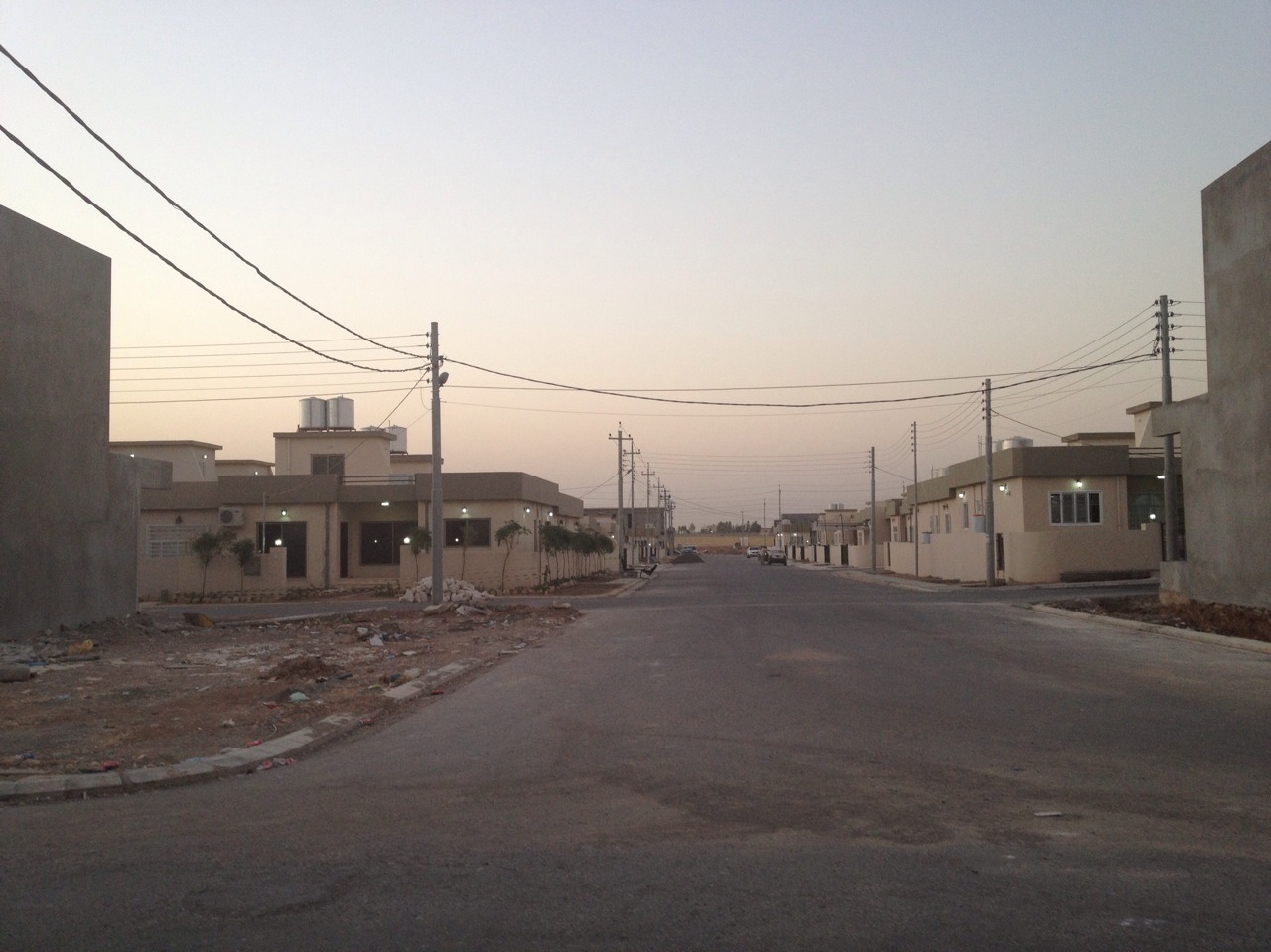
Iraqi Kurdistan has an amazing nature and beautiful parks. But the capital Erbil was long a city with little infrastructure because of the many wars, and has only started to build up the last decade. Where other cities in Kurdistan had roads, sidewalks and restaurants, Erbil is still in many of it’s neighborhoods a city someone called “The wild west”.

So what happens when a region starts to rise up, especially if it’s full of oil? The international companies enters big-time, most of them American – and the urban planning of tags along. Kuwait saw the same development after the Gulf War.

erbil 3

So in a city that copies the big cities overseas, before you plant trees you build villas guarded by fence.

erbil 1

Or high-rise buildings before you finish the roads.

erbil 2

…and no supermarkets to add some life to the suburban blocks. Internationalization has its benefits, but also its doubts.erbil 4

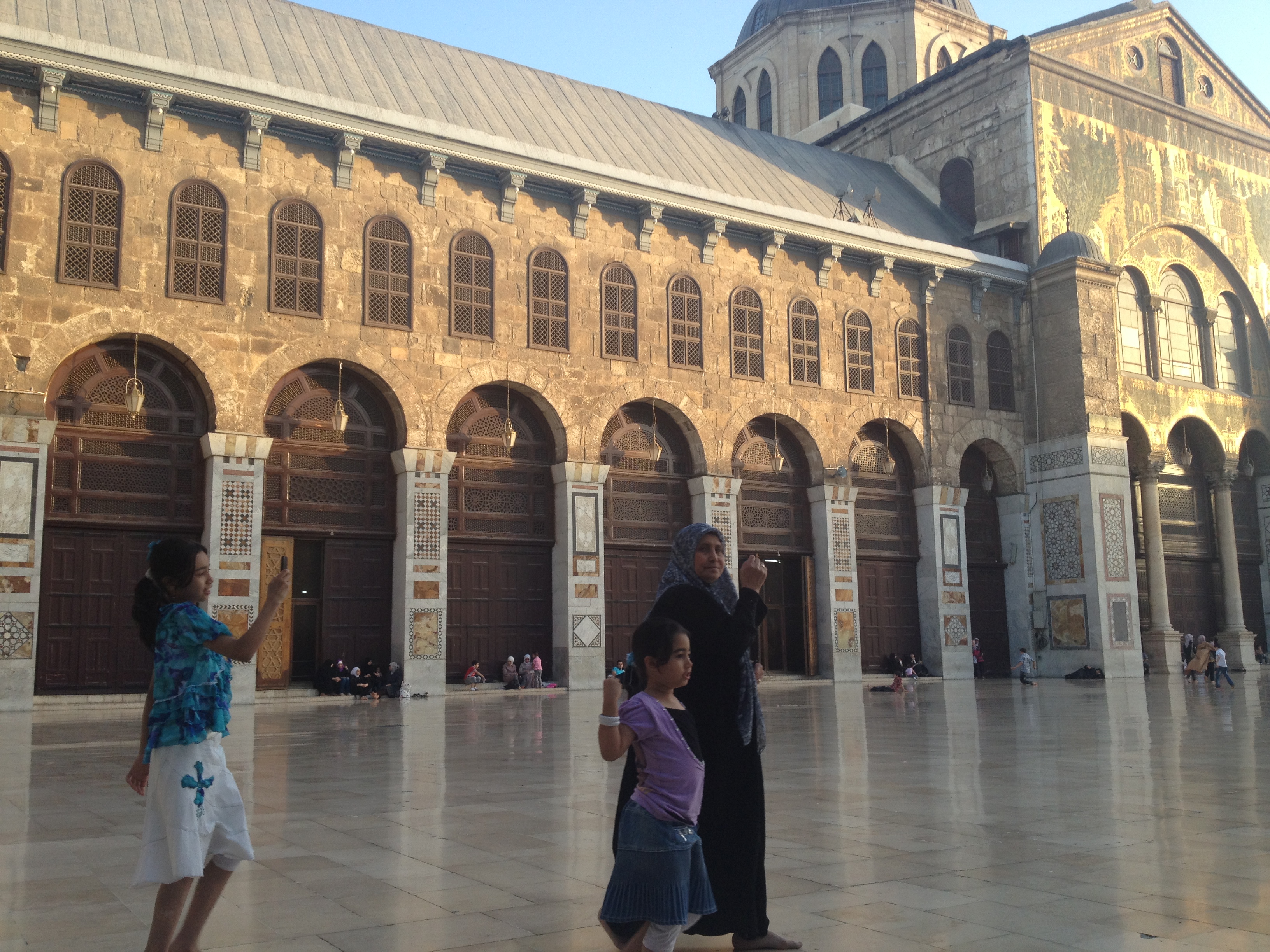
Umayyad Mosque, Damascus

mosque 1

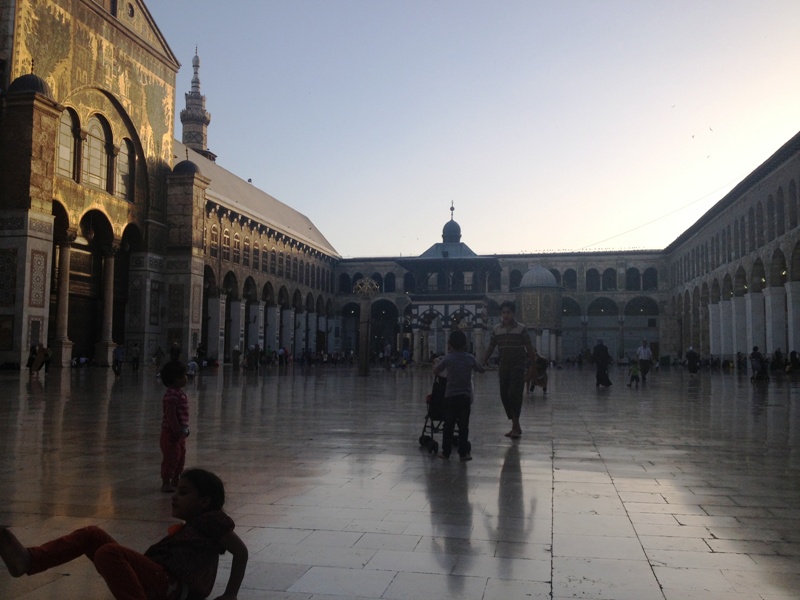
Umayyad Mosque in the heart of Damacus old city, an ancient building completed in year 715. Photos are taken during a Friday evening in June 2013.

mosque 2

Also an excellent place to spend a Friday night at, for prayers and socializing. Or a playground, with it’s shiny floor perfect for sliding on…

mosque 3

Let’s hope it will remain throughout the war.

Photos: Copyright Sweden and the Middle East Views Blog