Don’t Hate

images

I wrote the post “Being from Gaza” during the Israeli attack on Gaza this summer when thousands of civilians died. Now news popped up the other day on the shooting during prayer time in a synagogue in Jerusalem and the predictable counterattacks by the Israeli army. I wanted to comment on the violence and then I found this quote on the Facebook page “Palestine Loves Israel“, a peacepromoting page (not a pro-Israel page) managed by a Palestinian. He captured things so well that I’d like to let his quote speak for itself.

I’ve been managing this page for almost 3 years and during this time, I’ve met hundreds of amazing people from both sides and from every corner of the world. We’ve endured two wars together, we’ve celebrated our holidays together (who can forget the chanukka candles from Gaza?) and mourned our dead together. During all this time, I’ve never lost hope that one day, we can live as neighbors and friends in peace and prosperity. I don’t loose hope because I know we’re all in this together.

But in times like this, I see so much hatred on both sides. It’s painful to watch. What I see is always the same: It’s dehumanization. It’s easy to dehumanize the other side, to call them monsters, to hate them. It’s much easier than to try and find a solution. In times like this, it’s a very difficult thing to reach out to the other side, especially when there is so much pain. It’s a difficult thing to show compassion for “the enemy” when you’re supposed to be hating them. Reaching out to the other side despite the traumatic pain, despite the ongoing conflict is a heroic act. Dehumanizing and hating everyone on the other side is certainly easier. But it’s not helpful. It’s fueling the fire. And the vicious cycle of hate and revenge is going on and on…

In this project, I’ve met many heroes. I’ve met Palestinians and Israelis who reached out to each other, no matter what. Who said: “I’m sorry for your pain, I wish you well” in the middle of war. Who said: “I love you so much and say hi to your mom!” despite the ongoing conflict. I’ve met so many heroes… people who changed from extremists into peace workers. People who let go their hate and replaced it with compassion. So many heroes…

No, I don’t loose hope.

Please stay safe everyone and take good care of each other. These are troubled times but we will make it through together.

Photocredit: abc.net.au (the photo is from a previous attack in Jerusalem)
Remembering Old Palestine in Photos

Photographs is a great way for knowing something that was without having been there.

Agricultural memory of Palestine is a Facebook page dedicated to show the world the agricultural heritage of Palestine through photos. Their shared images range from late 1800s up until the 1960s, and show men and women working in the fields and on the markets in the cities. The page were happy for me to write about them as they want to share their photos with the world. This is how they describe themselves:

“Our belief in the need to maintain the Palestinian memory, our goal is to strengthen the identity and belonging to the homeland and the cause. Through the page ‘Agricultural Memory of Palestine’ we highlight the heritage and agricultural history as part of an important and original aspect of our culture and the Palestinian identity.”

So what did Palestine once look like? Have a tour among the shared memories.

Girls of Betlehem 1890

Girls in Betlehem, 1890.

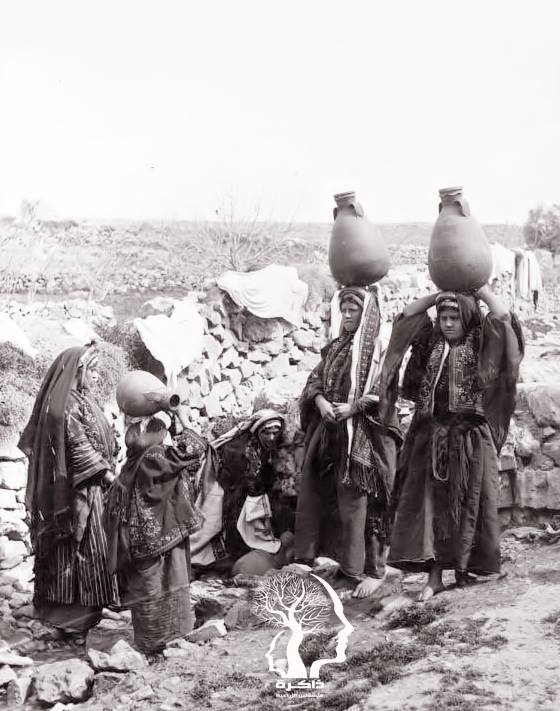
Peasants from Ramallah who fill water tractor-1900 m

Peasants in Ramallah collecting water, 1900.

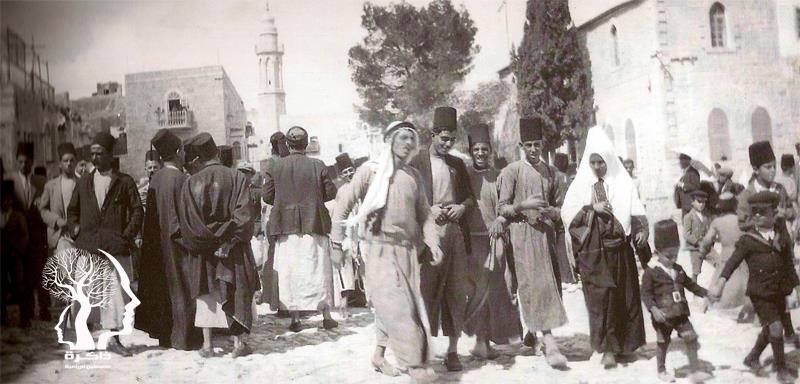
Betlehem market 1931

Betlehem market, 1931.

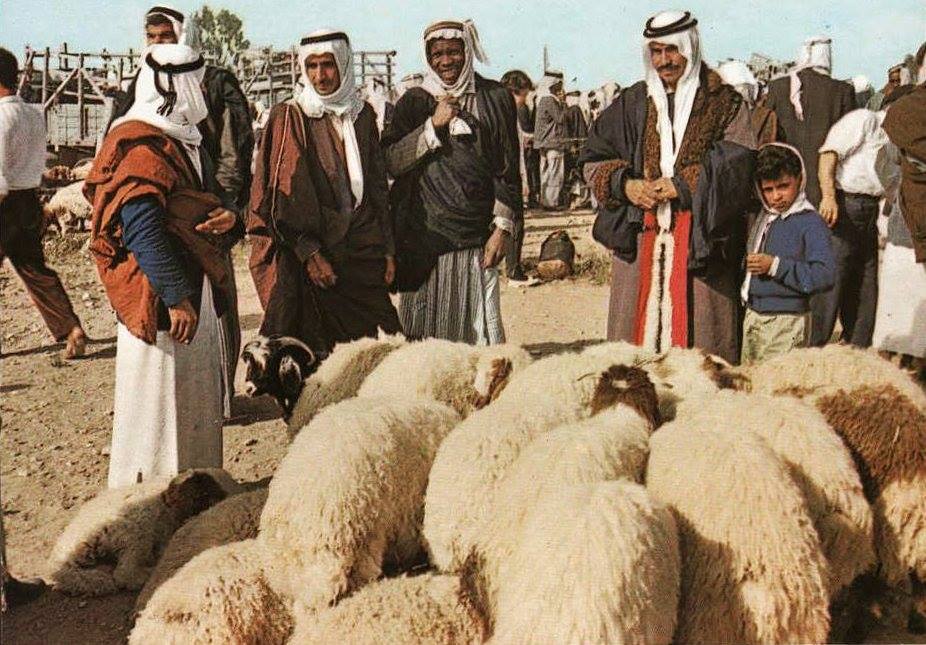
Ber Sheva halal market in 1960s

Ber Sheva halal market in the 1960s.

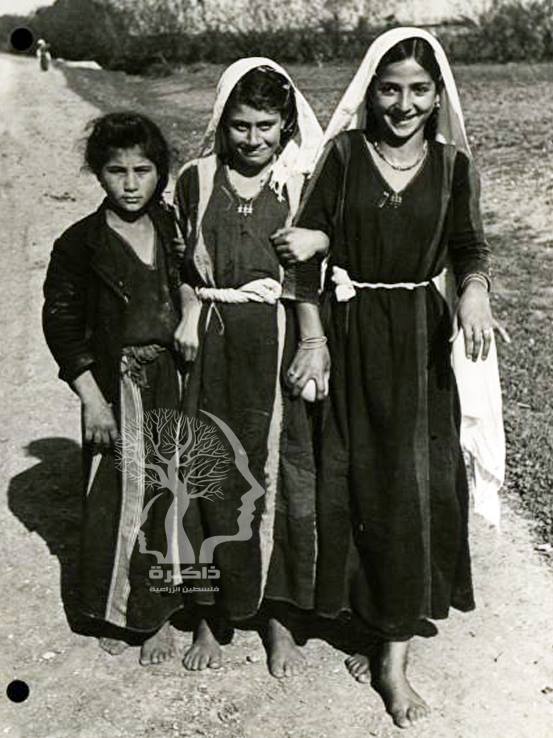
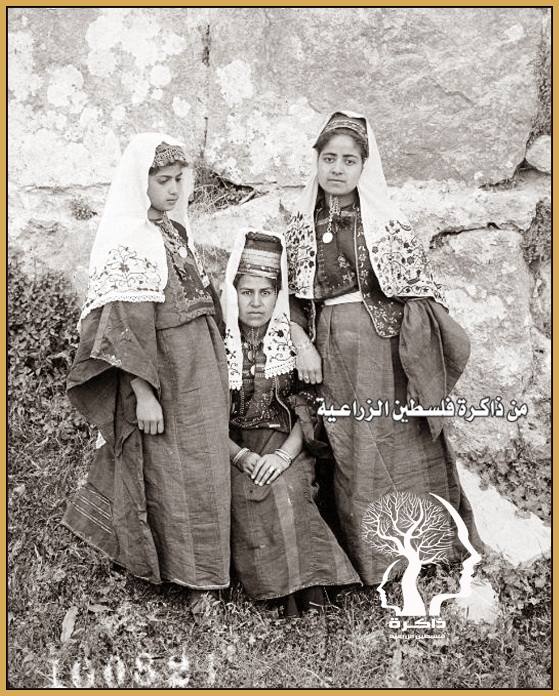
Girls

Girls, place and year unknown.

Photo copyrights: facebook.com/agriculture.memory

First Female Prosecutors Sworn-In in Kuwait

In Kuwait women were given the right to vote and participate in elections as late as 2005, so when the news broke a few years back that the country would allow female prosecutors for the first time, this was to many a step forward. Kuwait is not as oppressive to women as some of their neighbouring countries – there’s no mandatory dress code for women, women are not banned from driving and there are fewer restrictions on work places for women than in Saudi Arabia. But it’s still behind many of the other Middle Eastern countries.

The other day the first batch of women prosecutors were sworn in, more precisely 22 of them, creating more headlines. It hadn’t been an easy path – Islamist MPs who opposed the women had delayed the process by several months, claiming that under Islamic Sharia law women cannot be judges, which they as prosecutors now have the possibility to be. In the end the new justice minister Yacoub Al-Sane (also a man) signed a decision to appoint the prosecutors, putting an end to the delay. After the women had been sworn in, MP Humoud Al-Hamdan held a press conference where he critiziced the decision and said that he and other Islamist MPs were to submit a draft law to ban the appointment of women judges, as this is against Islamic law.

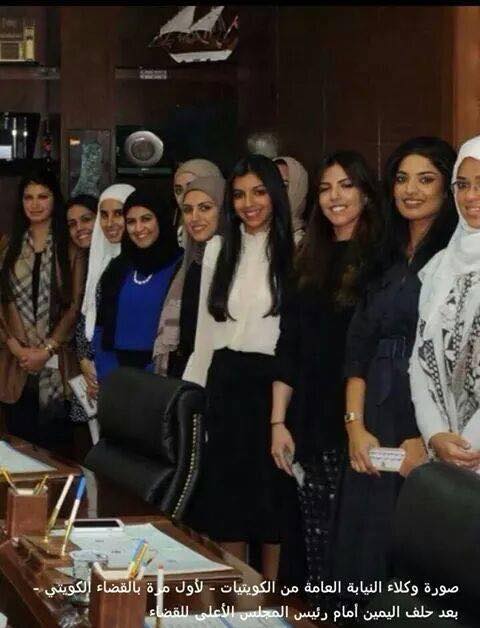
Many others celebrated the event though and the group photo of smiling young women was shared widely online among Gulf people and women’s rights supporters, generating positive feedback but also comments from men such as “I can’t wait to be prosecuted in Kuwait!” and “They don’t look Kuwaiti, they must be Lebanese” (the ultimate insult for a Gulf girl).

I asked one of my male Kuwaiti friends what he thought of the women prosecutors and he gladly shared his views – on the condition that he could remain anonymous. My friend is not an activist, but he says he like to keep an eye on politics. His answer surprised me as I myself was very positive about the women prosecutors.

“I am not so excited” he says. “In 2005, I was super excited for women to get the ‘right’ of voting. But having a look into history will show something hidden. Before 2005, There was a lot of failed attempts for female activists for the right of voting. What was changed in 2005? It is external pressure. The government in Kuwait wanted to release this pressure by directing the members to vote for the right of the woman. Therefore, women were used to polish the authorities’ image to the West, and gaining this right was not because of local female activists.

The trick is using women to polish the image of the governments from the Western perspective, without allowing a real impact within the inside of the society. In all cases, what did women added in Kuwait after 10 years of gaining the right? We still see discrimination against women, less rights in the society etc.

The government today has a bad image because of funding the extremist groups all over the world, and it need to polish the image again. Therefore, women are the best tool to be used. I don’t feel that the society is pushing for more women rights. To see real impact, the change should come from the society, the average people. In fact I could say that using women this way is another way of abusing women in a completely patriarchal society. And we will never see any real impact to change the basic systematic violation of women rights.”

Let’s hope the appointment of these 22 women will be a step in the direction of real implementation of women’s rights and that this trickles down to the average people that my friend is talking about. So that the feedback for the next batch of prosecutors will generate more positive comments than sexist ones. At least they have male supporters. That’s something to cherish.

Photo credit: www.facebook.com/sultan.alqassemi