How I Accidently Got Involved with the Syrian Opposition

During the chilly spring of 2013 I was a humanitarian aid worker waiting for my next mission. Didn’t yet know where I was going but I was busy preparing to lease my flat for the upcoming departure. As I spent my days carrying books to the basement and cleaning out wardrobes – I did this regularly, then carrying everything back up a few months or a year later – I was suddenly accompanied by a newly made friend of mine. A young Syrian woman who decided to drop out of the human rights program she had been brought to Sweden to attend, and apply for asylum. 

“I’m leaving this place tonight,” she said on the phone in a hushed voice. We hung out quite a lot, and had known each other since the year before.

“Where are you going to stay?”

“I don’t know.”

“Come here.”

My friend was a beautiful young woman, intelligent and charismatic. But that evening when she showed up with a hastily packed suitcase, other adjectives would have to be used to describe her appearance. 

I did what I usually do when someone moves in with me with short notice; made tea, brought out blankets and a towel. My living room couch was used to hosting people, it actually never complained once, but it had never served someone with so many raw emotions, energy and anxiety at the same time. 

“You’re safe here”, I tried to comfort my friend that very first night, not knowing if I meant safe at my place or in Sweden. 

Fear was nothing new to her. She had after all one of the most dangerous jobs a person can possibly have – the one of being a journalist in Syria. But neither she nor I had thought that the threat of the regime could exist in the form of individuals in Sweden. 

I too was uncomfortable being around this individual, and we agreed not to let anyone know that she was staying with me. Now 11 years have passed, and it’s safe to tell the story.

As we spent most of our time together in my small flat during that chilly month in spring, we started to get to know each other better, and quickly resumed some kind of schedule.

“What are we watching tonight?” she would ask, as she was preparing plates of fruits, biscuits, cheese – much needed plates since we always stayed up late. Sometimes the snacks were accompanied by a bottle of wine if we could afford it; her monthly grant as an asylum seeker had yet to be started.

As we worked our way through seasons of Girls, she started to share more about herself. Her stories were incredible, but she had no idea:

She had been on a journalistic assignment covering the war, when she and the cameraman had to flee by car from people sent out to arrest them. In a hospital they had been able to take cover. She remembered her mouth being so dry that she couldn’t speak. 

When her blog where she wrote about the war crimes committed by the regime became famous, she was arrested with her baby, and it was someone close to her who had snitched, letting the regime know where she was staying. 

During her arrest protests had been organized to demand her release. She showed the online posters with her name and photo – this later became useful evidence in her asylum case.

Listening to her stories of amazing courage became a crash course in the Syrian uprising and taught me how to recognize common patterns – phrasing, reasoning – of Syrian activists trying to bring down the regime. These skills would turn out to be useful later on. I could be accused of many things but not that one of being a bad listener. Or writer.

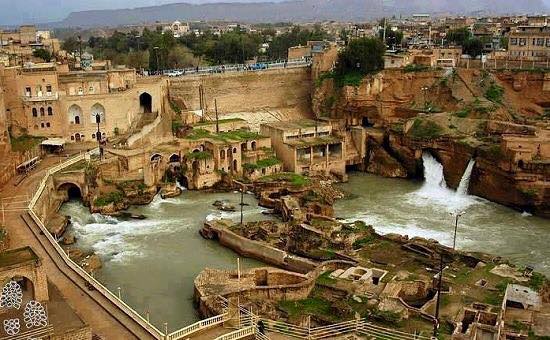
I had been to Syria before the war and I could relate to her description of her beloved country. Have you ever smelled the jasmine flowers of Damascus in summer? Have you watched the water pass by in the water wheels of Hama? Those are beautiful sights. I would say it’s impossible to visit Damascus and not fall in love with the city and the people. The beauty infiltrated, though, by the underlying threats of violence – a violence not only directed towards political opponents. 

One story I was told by a pro-regime friend said how the ruling family had a part in organizing kidnappings of young, Syrian girls for wealthy men; their mutilated bodies dumped afterwards in lakes, attached to weights. 

“I want to go home”, my friend often said. 

I thought that she would if only she was patient. Much like the people that I got to know in those early years of the revolution, I believed that the Syrian opposition had the strength to overturn a sadistic regime. 

Sure, the opposition was fragmented, without a clear hierarchy, and there was worrying news about extremist groups funded from the outside. But the Arab spring was hopeful. Areas in Northern Syria were taken over by the opposition; the Kurds had support from the other Kurdish regions. The activists I knew were intellectual, reflecting, with a deep longing for freedom and the right to live a life without fear. They must be able to do the change, right?

It wasn’t always easy to host my friend, but I dealt with enough traumatized people to have some tools and boundaries. To help her cope we went out, went to my friends’ parties, cooked dinners. 

Did I mention that she was beautiful? Her looks were actually amazing. Going with her somewhere, people stopped and stared; men kept calling and asking her out. One man was stupid enough to message me on Facebook, asking to wire me money so I could buy her flowers. I agreed, cashed out, we spent the money on ourselves. 

We also loved watching silly movies. One favorite was Crash – when the main character in a rehab center wrote a letter of apology, admitting he was alcoholist and didn’t want to be anymore, we changed the lines to the certain individual she had fled from:

“I’m sorry I pretended to be your friend so I could spy on you for the mukhabarat!” she exclaimed.

“I don’t wanna be an undercover agent for the Assad regime no more!” I latched on, and we laughed hysterically.

So why did I do what I did a few months later? Why did I write the articles that I did? Syria is not my country. I lost friends, pro-regime Syrians, because of it. They saw me as a traitor, someone interfering in an issue that wasn’t mine. 

It was not planned in advance. My friend was, of course, an influence. But also because of her many compatriots that I connected with, my love for them and the country. Syria did not deserve the terror that was brought onto them because they demanded what some take for granted: a system not deflated by corruption; wages enough to live and not only survive on; the right to live a life free of fear. 

And we believed in change, I believed in change. If enough stories came out about the war and the crimes against humanity being committed there would be little chance for the Assad family to stay in power. They would sooner or later leave the country on a private jet heading to Riyadh and never come back, finally giving up a power that was never given to them by the public.  

The day came when I got the call about my assignment. In the evening, my friend asked where I was going. 

“Can you have a seat?” I told her. 

Confused, she sat down on one of the kitchen chairs, it was one of the few items in my now empty flat that hadn’t been moved to the basement.

“Why? Where are you going?” 

I hesitated slightly. Then replied.  

“Damascus.”

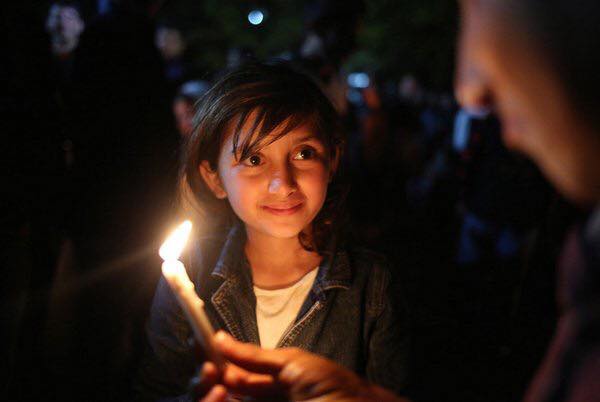
Happy Yezidi New Year!

This week it was the Yezidi New Year, known as Sere Sal, which means “Head of the Year”. It’s celebrated on a particular Wednesday of April, known as Red Wednesday. This day commemorates the Wednesday that Melek Taus, one of the central figures of the Yezidi religion, first came to earth millions of years ago in order to calm the planet’s quaking and spread his peacock colors throughout the world.

Below are photos from this week’s Yezidi New Year celebration in Sinjar, Iraq, close to the Iraqi-Syrian border.

17952609_1890832794508826_4146623117556588874_n17952711_1890832797842159_1447628628980717187_n17991981_1890832791175493_7366656562623310740_n18056639_1890832801175492_7764943108544136090_n

Photo credits: Allt om Irak Facebookpage

Syrian Artist Diala Brisly, Painting for the Future of Syria’s Children

Syrian artist Diala Brisly have been working from Beirut, Lebanon, painting mainly for and with Syria’s children, inside and outside of Syria, to provide them some hope for the future.

16797586_1618010928215604_4796749077485358067_o16587378_1612869105396453_8442639095432277366_o15250734_1523991020950929_6312555381582544219_o13613507_1377132542303445_8057960783556038731_o10731200_980059212010782_2442157949854667401_n

All images copyright Diala Brisly

Diala’s Facebook page: Diala Brisly

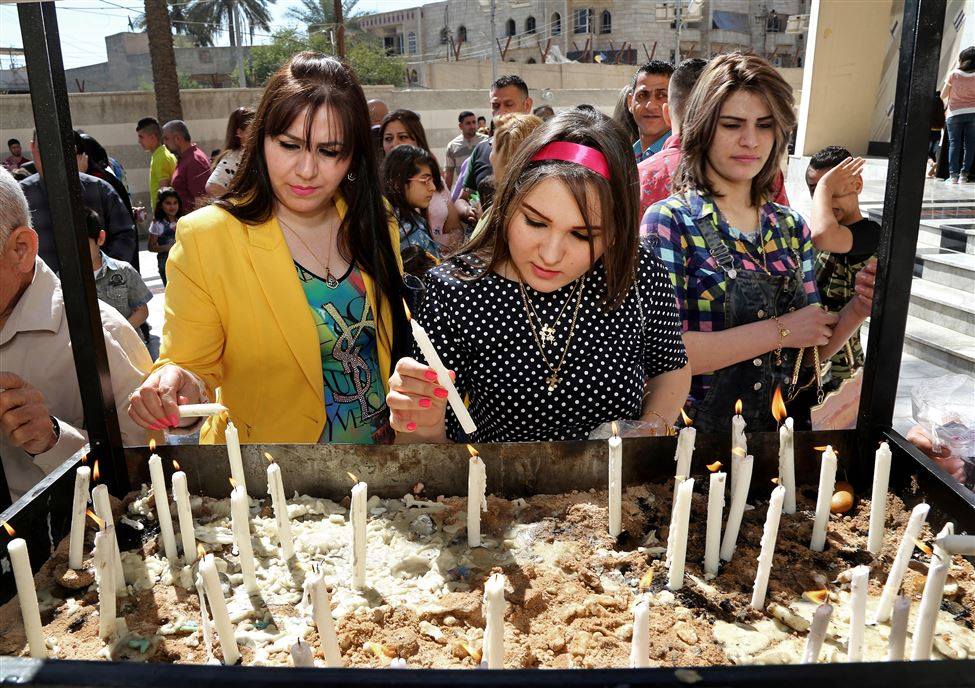
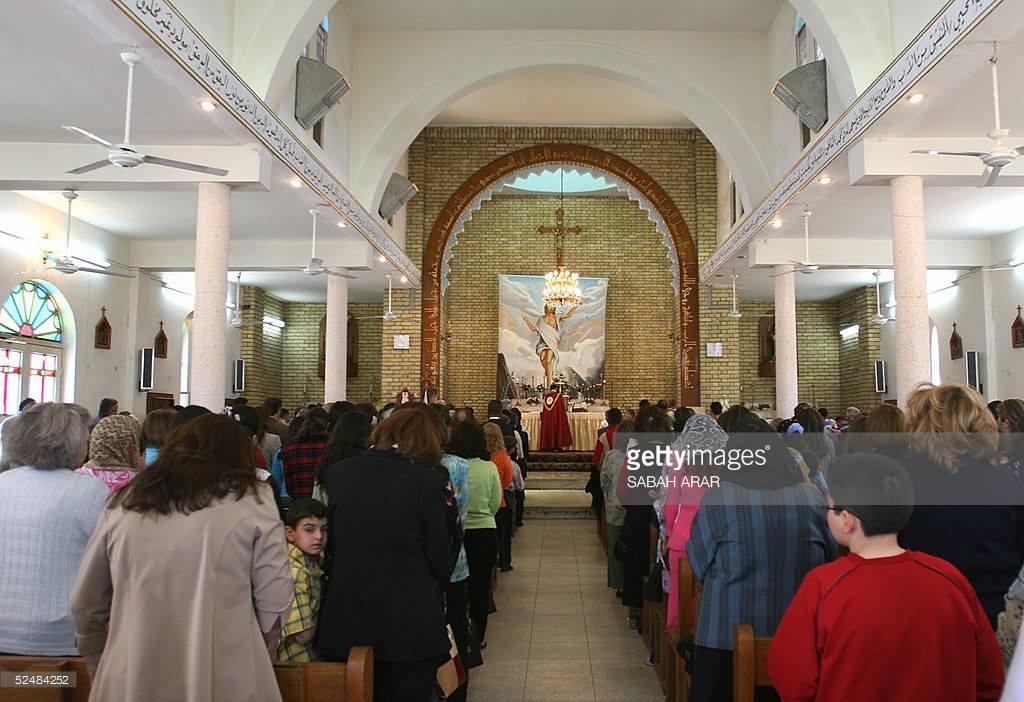
Happy Easter from Iraq

Happy Easter everyone! These photos is from this weekend’s Easter celebration in Virgin Mary church in central Baghdad, Iraq. The photos are shared by Beautiful Iraq team, originally from Getty Images.

12513725_1098792486809083_9120166110761127593_o

12901072_1098801130141552_3742295896287076394_o

12525286_1098792400142425_8721807444202808627_o

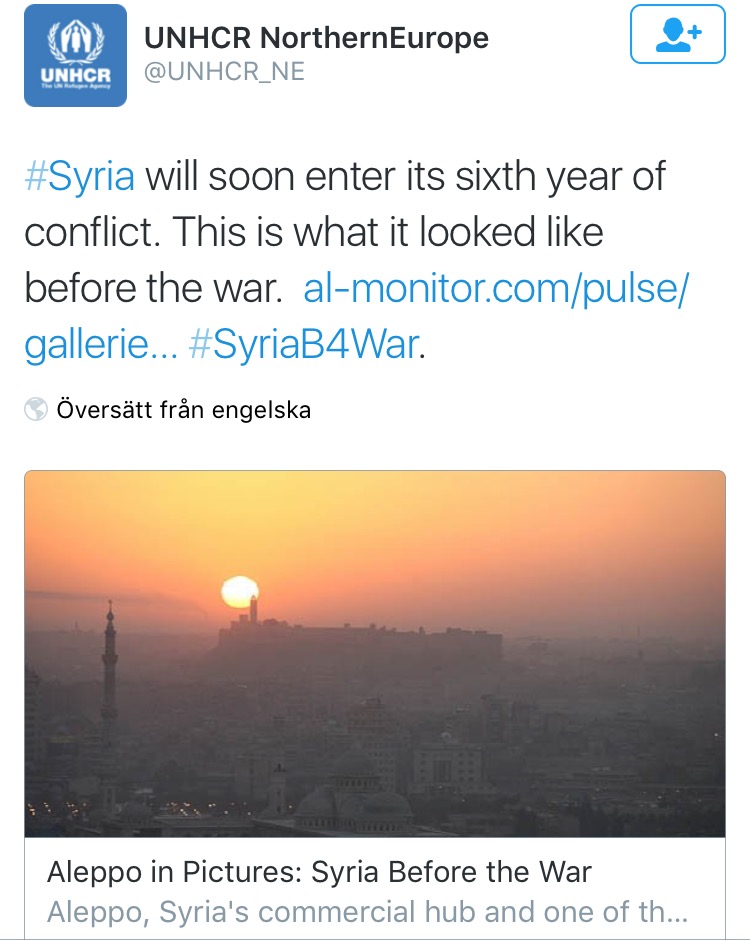
#SyriaB4War – Hashtag Gone Wrong

image2

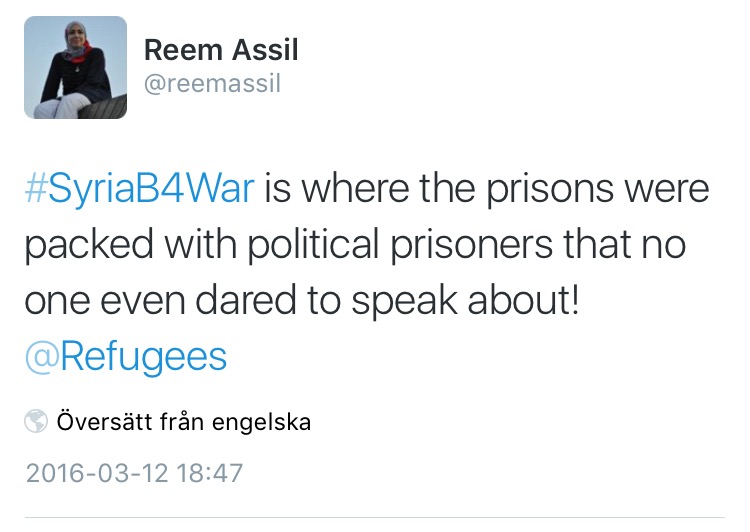
UNHCR Northern Europe wanted to launch a hashtag on Syria to remind people on how Syria was before the war. Little did they probably suspect that Syrian activists – these admirable, young, brave people – would take over the hashtag to remind the world of what was going on behind the beautiful scenery of their homeland. UNHCR even happily encouraged twitters to publish their photos of Syria before the war, seemingly disregarding the Syrian activists using Twitter as their main forum for resistance towards the regime.

Everyone agrees that Syria was a beautiful country before the war, but if you happened to be against the regime, to be one of those who wanted to speak, read and write whatever they wanted to, Syria could show a very ugly face. This, many people seem to have forgotten by now. The Twitter activists quickly took the opportunity to remind of this, and to show an excerpt of their remarkably dark humour:

“#SyriaB4War: is where you have to watch the criminal dictator pictures in all streets” (attached, a photo with the ever-smiling Bashar Al Assad)

“#SyriaB4War: Farm for Bashar al-Assad and his family”

“#SyriaB4War: Thousands of writers and the opposition were in prison”

“#SyriaB4War: is where the civil society activism was only for Asthma Assad and her entourage”

“#SyriaB4War: is where families dream of eating meat without being able to fulfil that dream with their miserable salaries”

image1

And the last touché: one twitterer attached a photo of the Tadomour prison in Syria: “who goes there never return”.

image3

I bet UNHCR’s communication department will think twice next time.

Rain in Baghdad

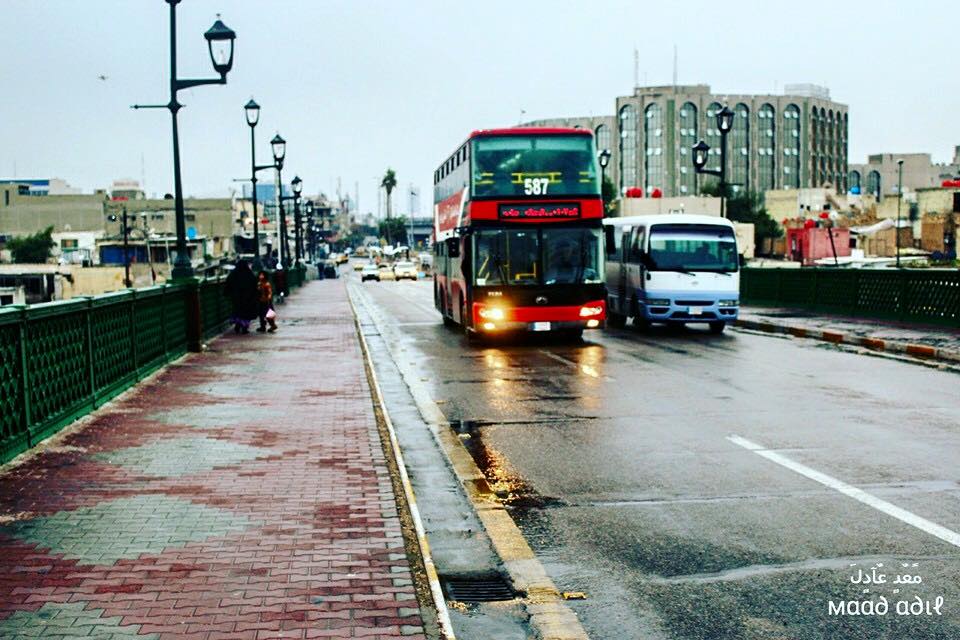
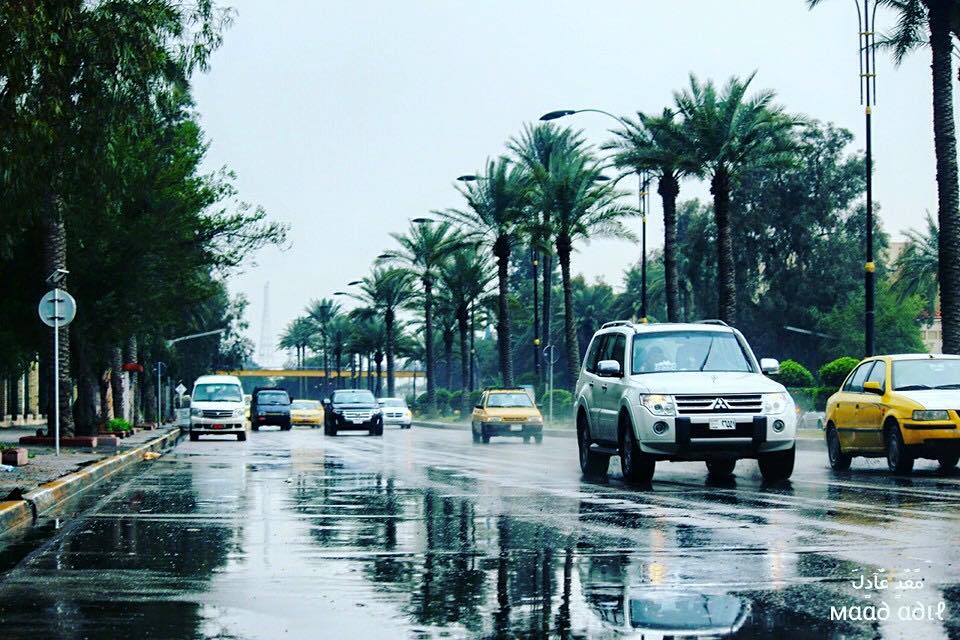
This is Bahgdad, too. The photos are from the Facebook page “Republic of Baghdad“.

12742319_1127794843918832_9043265449613005988_n

12742339_1127794900585493_1079923358710993560_n

12745872_1127794863918830_5181455681490654262_n

12743983_1127794887252161_2278111569217439895_n

The Forgotten, Beaten and Tired Syrian Activists

I remember the beginning of the Syrian revolution. Young Syrians; girls in their pastel-colored clothes that marked the spring of 2011; young men in leather jackets protecting them against the chilly March weather.

They were so cool. They were hopeful. They were saying things in public that previously had made you, if you happened to be in Syria, shiver. They were forming cells; established independent news outlets; traded news about which activist was in which underground prison; helped kids who had become orphans when their parents disappeared; speaking openly about the sexual abuse the female members of the opposition endured in prison.

The activists that I knew were journalists, medical doctors, university scholars, NGO employees by day; activists by night. Keeping in touch with other fellow activists on social media and the in the Middle East so loved Blackberry.

The topics of politics and justice flowed easily among them; sitting with some Syrian activists, they always started talking politics, you could break night with them just to hear their ideas, their bright thoughts about the future, when their generation would be the first one to conquer the long-lived illness of living under a totalitarian regime. They would bring up their kids in a society where you could say whatever you liked. Where fear didn’t seep in everywhere. Where the beautiful, amazing country of Syria didn’t have that silenced cover over it all: where freedom prospered. Where you could talk as openly in the street as you could a few hours away from Damascus, on the other side of the border in Lebanon.

And soon we are at the five year landmark. In a few weeks it’s March 2016. What happened to the cool young Syrian activists, with their high-flying dreams? The one who were chanting in the streets?

My own answer is so sad that I have to write about it.

The Syrian activists that I know are tired and beaten and worst of all, forgotten. No one will assign them with a human rights award. No one will call them on a stage in front of an international audience and praise them for all the brave things they did for their own country. How they started free press online. How they cared for other people’s children. How they treated wounded civilians with a minimum of medical supplies.

The Syrian activists, the ones who started it all, before Daesh, before Al Nosra front, before the foreign interventions, are in worst case dead; tortured and starved until they caved in in one of the regime’s dreaded dungeons. If they’re better off, they’re released and living in constant fear of being detained again. Leaving the country starts to become more and more impossible for those who are still left.

If they’re better off they have been able to leave the country and are scattered around the globe, refugees in other countries. They are often unwelcome.  They’re struggling with psychological problems many can’t imagine. They are depressed, suffering from anxiety attacks, insomnia. And being traumatised doesn’t always make you a better person. Being traumatised doesn’t make you nicer. It makes you angry, and you take out the anger on anyone. It makes you bitter and you take out the bitterness on anything.

The mental health care system in my own country often can’t cope with their traumas. Psychologists I’ve heard of break down in tears themselves when hearing the horrific ordeal the Syrian regime put the activists through, the civil war that tore the country in pieces.

Being a Syrian activist in 2016 – you’re forgotten. The pastel colours from the spring of 2011 has faded a long time ago. The activists were left with no support and here we have the results. What’s left is a regional war, a war by proxy, that’s escalating into an international war, in a place where the so promising feelings of hope and trust once grew.

Travel to Kurdistan

Despite the ongoing threat from Daesh, Kurdistan is trying to hold the fort. Many Kurds I know try to keep up the vibes by sharing positive photos and news from their country.

Travel to Kurdistan is a beautiful Facebook page with one clear aim in mind.

Wanna go somewhere exciting? Somewhere different? Try Iraqi Kurdistan next time. here’s a few reasons why (all captions, when there are, are from the Travel to Kurdistan’s page):

12509616_1212098418807847_3542165295238650339_n

“Zaxo, Kurdistan”

12642669_1210172905667065_7767409763117395152_n

12670295_1209556595728696_8457930296694442705_n

12642790_1208919295792426_4824159019587959759_n

“Our colourful flag must wave in all weather and at all time to survive.”

12651141_1209314799086209_8792059710550678922_n

12512811_1209314762419546_2745188942925370461_n

Photo credits: Travel to Kurdistan’s Facebook page

Women of Egypt in Photos

Women of Egypt Women of Egypt is dedicated to showing the world different sides of Egyptian women, outside the box of the regular ones in Western media.

Please let me take the opportunity to introduce them to you. The captions are the group’s own.

12493619_983526421741805_4698880569455381785_o

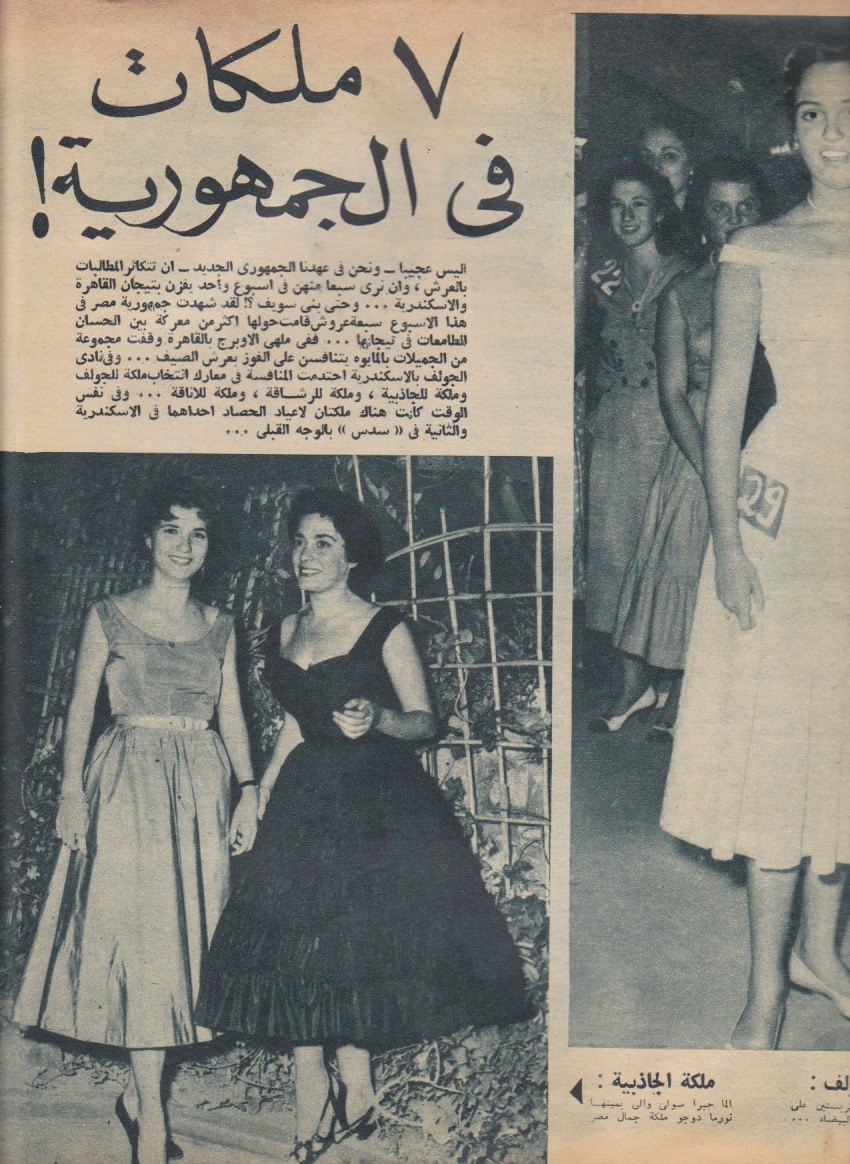
1956 seven beauty queens across the republic were crowned, competitions in Alexandria, Cairo, Beni Suef and other cities.

12565576_982998495127931_2039638179614872521_n

Military training for Egyptian girls in the 60s

12565482_982153471879100_4027472855505691417_n

Folk dancers Farida Fahmy and Mahmoud Reda

Photo credits: Women in Egypt


“Not a Single Mention of Release of Political Prisoners or Human Rights Violations” – an Iranian’s Opinion on the Lift of Sanctions

Today when the world celebrates the lifting of US sanctions against Iran, and CNN’s headline blasts out “Flight to Freedom”, on the previously imprisoned Americans that has been released as a part of the peace agreement, I wanted to have an Iranian’s point of view. A friend of mine gave his opinion, on the condition of anonymity.

Today, 17th of January 2016, Iranians woke up to their first day without sanctions. Whilst a lot of people will rejoice and feel relieved from an economical sense, pragmatically this just means Iran has gone back to 2006 when (the latest) sanctions were put in place. 

During the sanctions the wealthy, those with connections, those who succumbed to corruption found ways to bypass international laws and got richer. Of course as a consequence the country as a whole got poorer because a lot of oil and other resources were sold far below market price to China, India and elsewhere or re-branded as some other country. Whilst people were complaining about medicine shortage, sports cars were being imported at a never seen rate.

People similar to Babak Zanjani and countless others are now eagerly awaiting the influx of money. 100 billion dollars of assets are set to be released and Western companies can do business again.

Except, no one asks themselves, who will the money go to? Will the removal of sanctions act like some cataclysm to unlock the gross unemployment, the gross violations of human rights and everything else that is wrong with the system?

Of course not. To understand why, you simply have to look at the terms of the nuclear negotiations.

The West wanted Iran to stop pursuing even the ability to obtain an atomic bomb and Iran wanted to export its oil again and buy stuff from the global market. What’s missing?

Not a single mention of release of political prisoners, human rights violations, indictment of international criminals, free elections, gender equality and so much more. In the end it was about protecting interest. Iran could continue to do whatever it wanted internally to its population as exemplified by the record number of executions in 2015 so long as it stayed off course for an atomic bomb. If the West was serious about handling the Iranian regime it could have easily put further terms in the negotiations that meant release of all political prisoners and a return to free elections. In all likelihood they probably could have got the Iranians to agree sooner or later. 

In the end the removal of sanctions will simply mean that those with power will now have access to more cheap capital to invest in their projects and assign their family members and friends to various positions.

Yes, probably there will be jobs created. Someone after all has to do the hard labour work.

But will Iran change for the better? Will the arrest of those who dare to oppose with nothing but their words, stop?

Of course not. Internally things will continue and the everyone will be happy that diplomacy has worked.