Aleppo Screams S.O.S.

Aleppo Screams SoS pic

So now the world is discussing whether the international community should intervene in Syria after the latest chemical attacks that the regime brought on its people. I can’t launch a clear opinion in this issue, because I’m not sure an international military intervention would bring less suffering to the Syrian people – but assistance of some kind seems to be needed since the revolt has escalated into civil war, with human rights abuses reported from both sides. But what the world show know is, many of the Syrian people have been asking for help for a long time, before the conflict steered towards total chaos.

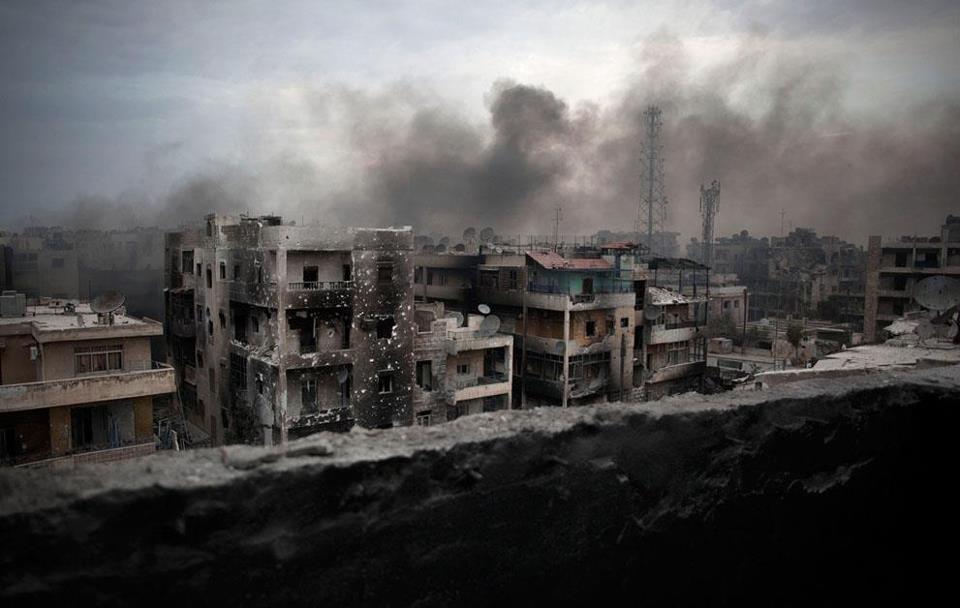
The ancient city of Aleppo, once a beautiful green city in the northern part of the country, is now one of the most destroyed cities in the world. Eager to crack down on the uprising, the Syrian government has bombed the city to pieces, wiping out the infrastructure. Electricity and water is cut off, hospitals are functioning without the most basic needs, earlier this year 90% of all children of Aleppo were reported to be out of school – and the number can hardly have decreased. Below is  picture of Saif Aldowleh Avenue in Aleppo before the war started in 2011, shared with me by someone that wants to show the world what happened to his city.

And here is the same avenue, from a slightly different angle, today:

Do you think this might be expected when it’s a war somewhere? Then remember that the inner city of Damascus is still untouched, with schools and supermarkets open and a vivid nightlife still available for young people to party and attend karaoke nights, like nothing is happening in other parts of the country.

Desperate to make the world realize what is going on, a Facebookpage was started by some of the inhabitants of Aleppo in June 2012; Aleppo Screams SoS. Click on the link and have a look to see how the citizens of Aleppo were asking for help long before the most recent events, publishing photos on the ongoing destruction, photos of killed children, asking people to share. I hope the world will listen soon.

Photos: anonymous source, copyright Sweden and the Middle East Blog; Photo credit: https://www.facebook.com/AleppoScreamsSos

“If someone asks you about what is happening in Syria tell him the humanity is died”

Today media has been flooded with the news that Syria has used chemical weapons in another one of their massacres of the citizens in Damascus suburbs, Eastern Ghouta. Some say victims counts in hundreds, others claim it’s over one thousand. Children suffocated to death after the and hospitals did not have enough resources to treat the overwhelming amount of victims rushed to the emergency rooms, where many more lives were lost, because what hospital can be prepared for a massacre?

I’m not posting the photos here but you can imagine what victims that has suffocated to death look like: frozen faces where panic and fear is still visible, mouth and eyes wide open.

It’s not the first time Syria has used chemical weapons on it’s citizens though. In March and April this year the Syrian government was accused of using chemical weapons in order to strike out the population. And in the 1980s the regime used the same kind of weapons to – effectively – crack down on the erstwhole uprising.

Today many of my friends Facebookpages were filled with sad and angry updates, and not of the regular kind. On one friends status, someone commented: “If someone asks you about what is happening in Syria tell him the humanity is died”

Egyptian Streets, شوارع مصر

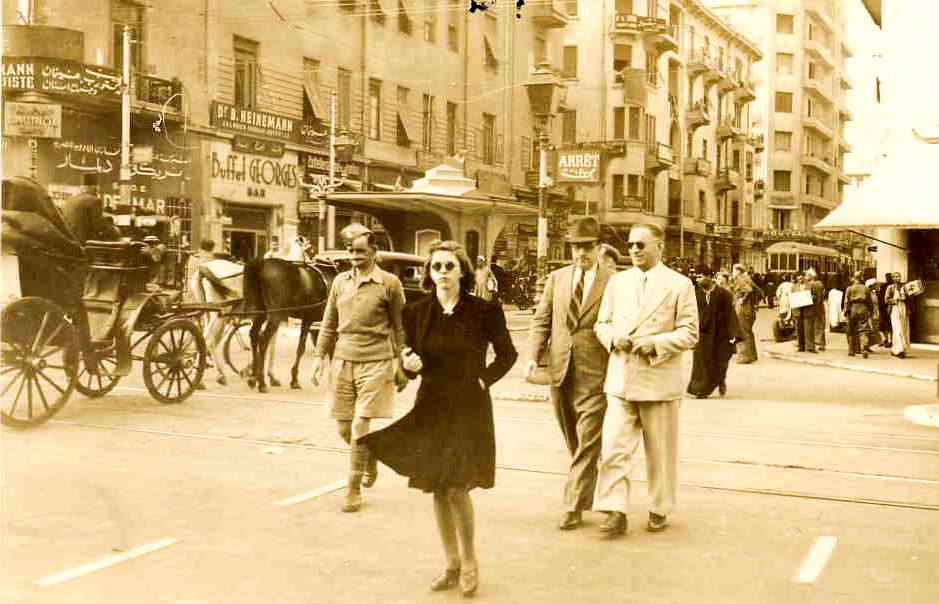
A great insight in what’s going on in Egypt is to be found on the website Egyptian Streets. From their Facebookpage today I have borrowed this photo and statement:

These are not the streets of Paris, London, or New York. This is an image from 1941 at Emad El Dine street in Cairo.

During this bygone era, women were not afraid to walk in the streets. Garbage did not form mountains on every corner. Grey, uniformed apartment blocks and thick smog did not obscure the sun’s light.

A bygone era indeed.”

egyptian streets

Photo credit: http://egyptianstreets.com/

I Survived the Banyas Massacre (warning: gruesome story)

Who told me this story? It doesn’t matter. When did I here this? In June this year, one month after the Banyas massacre had taken place on May 3 2013, conducted by governmental troops on civilians. In Damascus noone mentioned the massacre by name, instead we called it “unrest” or “outbreak of violence”. The result of the systematic killing of everyone in the village is easily found online, but in the heart of the government controlled capital that is nothing you can talk about.

Why did the person tell me this story, despite the danger of talking about the ongoing crimes against humanity in Syria? I guess some things are just too unbearable to keep to yourself. I couldn’t share this story while I was still in Syria, but I can now. And why am I sharing it? I want the world to know. I hope all of you readers do, too.

“Do you know what happened in Banyas? They did something horrible there. They did something that no God allows, no religion allows. What they did is forbidden in all religions!What does the persons want, who are controlling our country? What do they want from God?

There was a couple here some weeks ago. They left me their number, look, here’s the note… When I heard about what happened in Banyas I tried to call them, I was worried. But the line was shut down, I didn’t even get a signal. I heard that they had shut down the lines to all the telephones in Banyas. I called and called.

First after a couple of days the man answered. He said:

They came in the night, they killed my wife and my two children‘.

His wife was pregnant when she was here, I saw it myself, she was seven or eight months pregnant. Do you know what they did to her? They cut her in the chest, like this. Then they cut open her stomach, her whole stomach, and took out the baby. Her husband cried when he said:

They killed her, they killed my unborn baby, they killed our two little children. I’m the only one left. They are all gone.

Another Side of Damascus

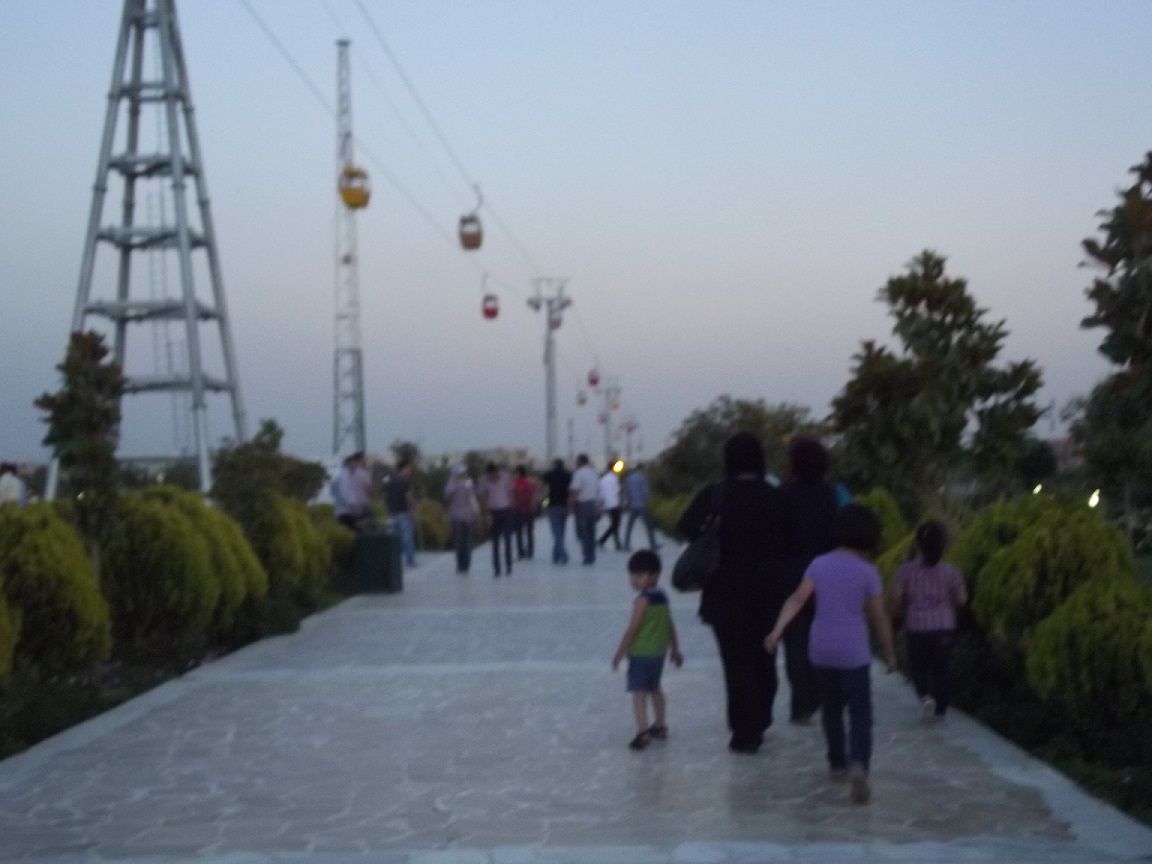
Everything is not all horror in Damascus today. There are beautiful people there, and beautiful places.

Photos: Copyright Sweden and the Middle East Blog

Whatever You Do, Don’t Get Raped in Dubai

In the Gulf and especially Dubai, prostitution is available everywhere. Online, at clubs and bars, in private parties. Young girls locked up or seemingly free; Asian, African, Eastern European. My experience is that prostitution is so common and accepted it’s hardly attached to any stigma for the buyers (“Why should I visit a whore?” a man once told me. “I get lots of women, I don’t have to pay!”). For being an Islamic country, this exception seems to exist within any moral remorses with the leadership.

So what’s the deal if you are forced to have sex against your will, if you get raped? The same legal system that overlooks the brutal sex trafficking will most likely confine you for having sex outside the institution of marriage and punish you as the victim instead. This goes for men and women, underage as well as adults.

This week the news broke that the Norwegian woman in Dubai, Marte Deborah Dalelv, who had been accused of premarital sex after reporting a rape to the authorities, was being “pardoned” and did not have to do her previously sentenced punishment in jail. Throughout the process she had been hiding in a Norwegian church in Dubai and international media had monitored the case over the past year. Now would a woman who was not white, westerner and with huge international support have been “pardoned” from the sentence? Probably not. And what else is, Marte’s rapist was pardoned at the same time.

Now many other countries have increased their legal support for victims of violence and sexual violence; in 2011 Iraqi Kurdistan passed a law that forbade domestic violence and in for example Lebanon there is a big network of women’s shelters with legal and social support for victims. Despite their financial lead, Dubai is still many years behind.

Shanadar Park, Erbil

park 1 ny

park 4

Photos: Copyright Sweden and the Middle East Blog

Spring in Iraqi Kurdistan

Photos: Copyright Sweden and the Middle East Blog

Crossing the Syrian Border

In a time of peace and normality, the border between Syria and Lebanon is like any other border: queues are busy, rules are neglected, bored military officials are stamping passports in between smoking and drinking endless cups of tea. Now everything is different. And as the road to the airport is not safe, crossing the Lebanese border by land is the only safe alternative for leaving the country, making an otherwise sheltered humanitarian aid worker like me left to mingle with the Syrians that are trying to get out.

The border on the road between Damascus and Beirut is still controlled, heavily controlled, with new checkpoints every few minutes before reaching the border office. Outside the office cars are parked everywhere and masses of people are moving with their plastic bags and children, the chaos mirroring the domestic collapse. Many internal refugees are now dirt-poor, without money for bus or shared taxi, leaving the country by foot.

I was holding on to my passport and documents, trying to make my way in through the crowd and into the office. It was steaming hot and people were pushing and shoving each other, small children were crying. The lines leading up to the cashiers where the necessary stamps were given to the lucky ones that were able to reach there, was swamped. The driver that had taken me was not allowed to do the documents for me, and without stamp you couldn’t cross the border. I was able to make my way a few meters in to the crowd before I got stuck. People were so tightly packed it was impossible for a short woman like me to advance forward, and the crowd was turning aggressive. Even if I wouldn’t be squeezed, would I be saved from being assaulted? A man that was trying to make his way back through the crowd was being squeezed and received help from his wife and another man that pulled him out. The officers behind the counters shouted out, telling people to stop, and some shouted back: “How can we do it?” “We’re stuck!” “Help us instead!”

A military man passed by and people flipped their papers to him, begging for help: “My husband is sick, please help us!”, “Ammo, we need to get out, please stamp our passports!” The man ignored them, but I took my chance and pulled out my humanitarian worker’s ID:

“I’m a foreigner, I work for the Red Cross! Or something like the Red Cross!”

He glanced at me.

“Ok, come here.”

He let me go before him through the door he was entering and shoved away the others that tried to follow. A big metal tool was placed against the door to prevent it from opening again and the desperate bangs from the outside followed immediately. In the small room aside of the counters a few other people, a man on crutches and some lone women like me, were waiting hopefully, squeezed together in the small window facing the officers. Maybe we would be able to leave the country today? But we were being ignored.

“Go stand in line!” an officer yelled.

“We can’t stand in line, they’ll squeeze us! We’ll die there!” a woman replied.

Through an open window some young men climbed in. From all ways everyone was desperately trying to reach the officers, the stamps. The room was filling up with people and was becoming unpleasantly crowded as well. A girl who was pressed next to me laid her head on my shoulder, seizing the opportunity of the closeness to rest. She was maybe 10 years old.

“Are you tired?” I asked her.

Eh.” Her voice was just a whisper.

The girl drifted off to sleep as we waited, her head staying on my shoulder, her body leaning on me. The pressure from other people kept her upright.

After maybe an hour an officer appeared and suddenly lost his temper when seeing the amount of people that had materialized in the back room:

”Get out, all of you!”

The protests made him furious, he violently pushed us out:

“Go! I said go!”

No one wants to unfold an argument with an armed military. We stumbled upon each other as we hurriedly left the room. I was being pushed to the right and lost my balance, quickly catching it before falling face down. The driver that had been waiting for me in the back of the main room saw me from a distance and shouted: “Someone help her at least, she’s small, she can’t make it there! She’s afraid of all you men!”

A man suddenly gave in, reached out for me through the forest of people, took my passport and papers and sent them through the crowd.  “A small girl” I heard him mumbling to the others protesting. A few minutes later the papers came back, sent from hand to hand, with the proper stamps, nothing missing. I advanced backwards through the masses and was able to press through the door. Before reaching the relief of the fresh air I saw the little girl that had slept on my shoulder, now slumping alone on the floor. Her mother probably had left her there while trying to make it on her own. She was also a small girl, but no one took notice of her.

Damascus Old City, Empty From Tourists

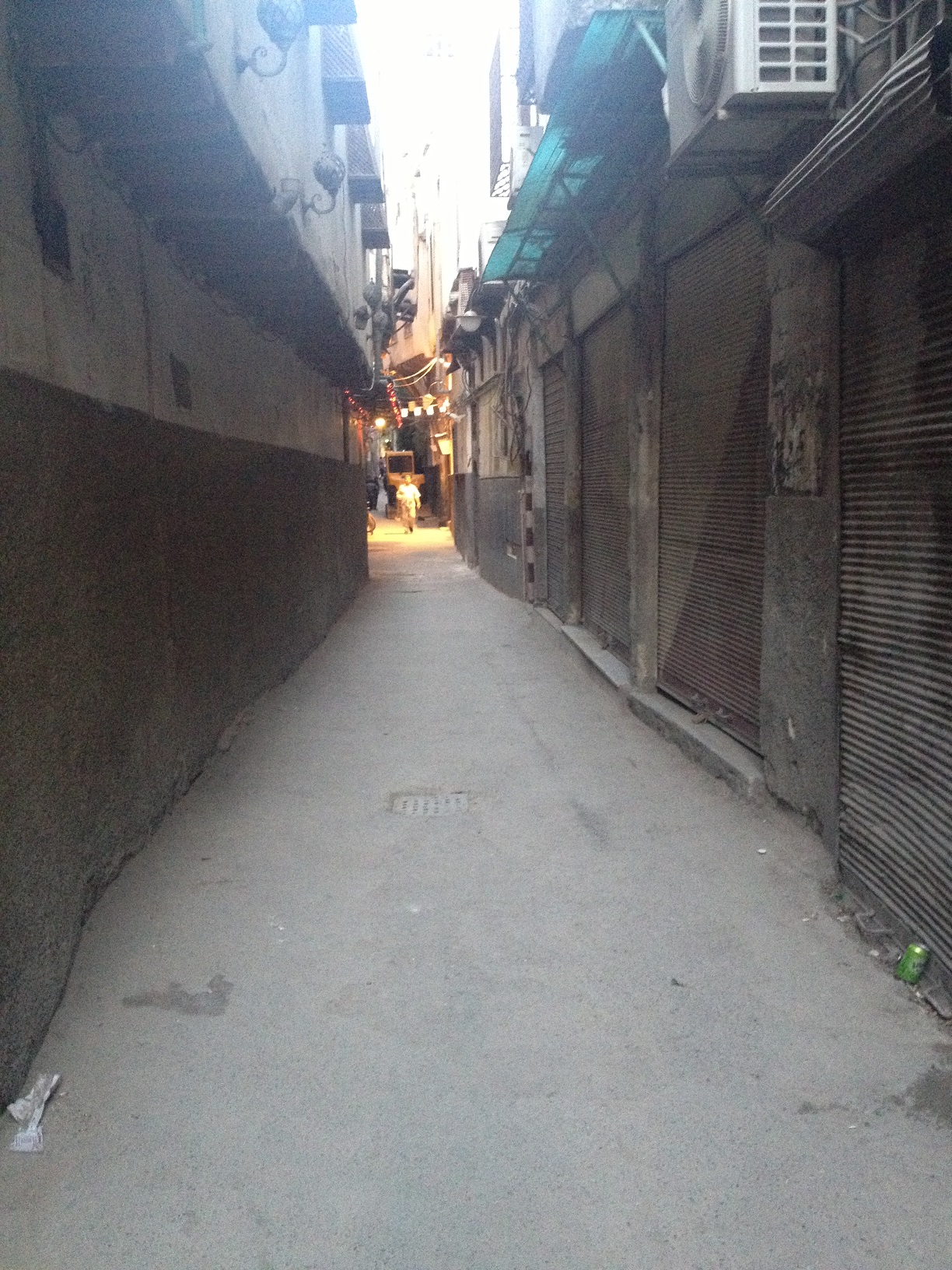
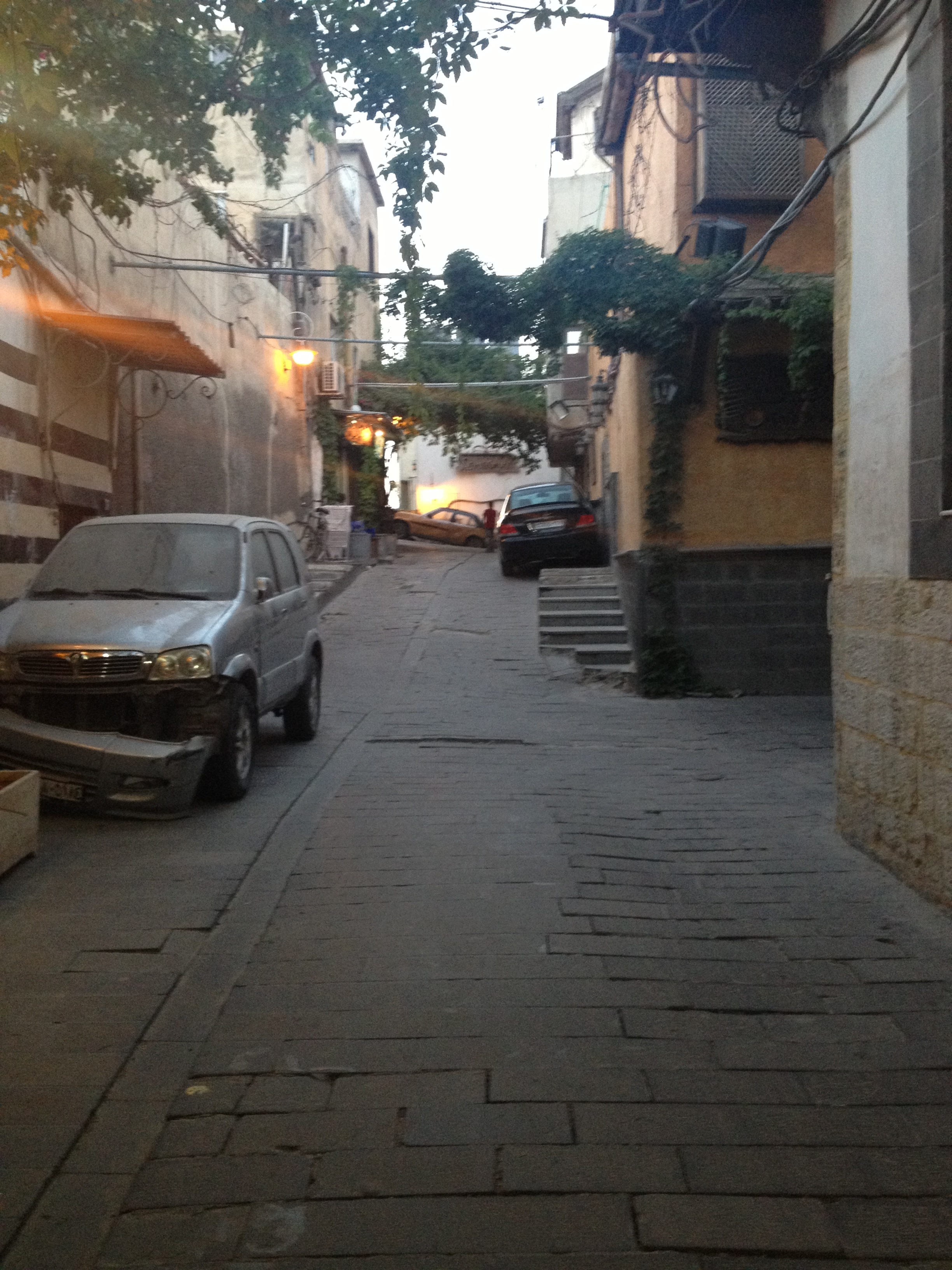
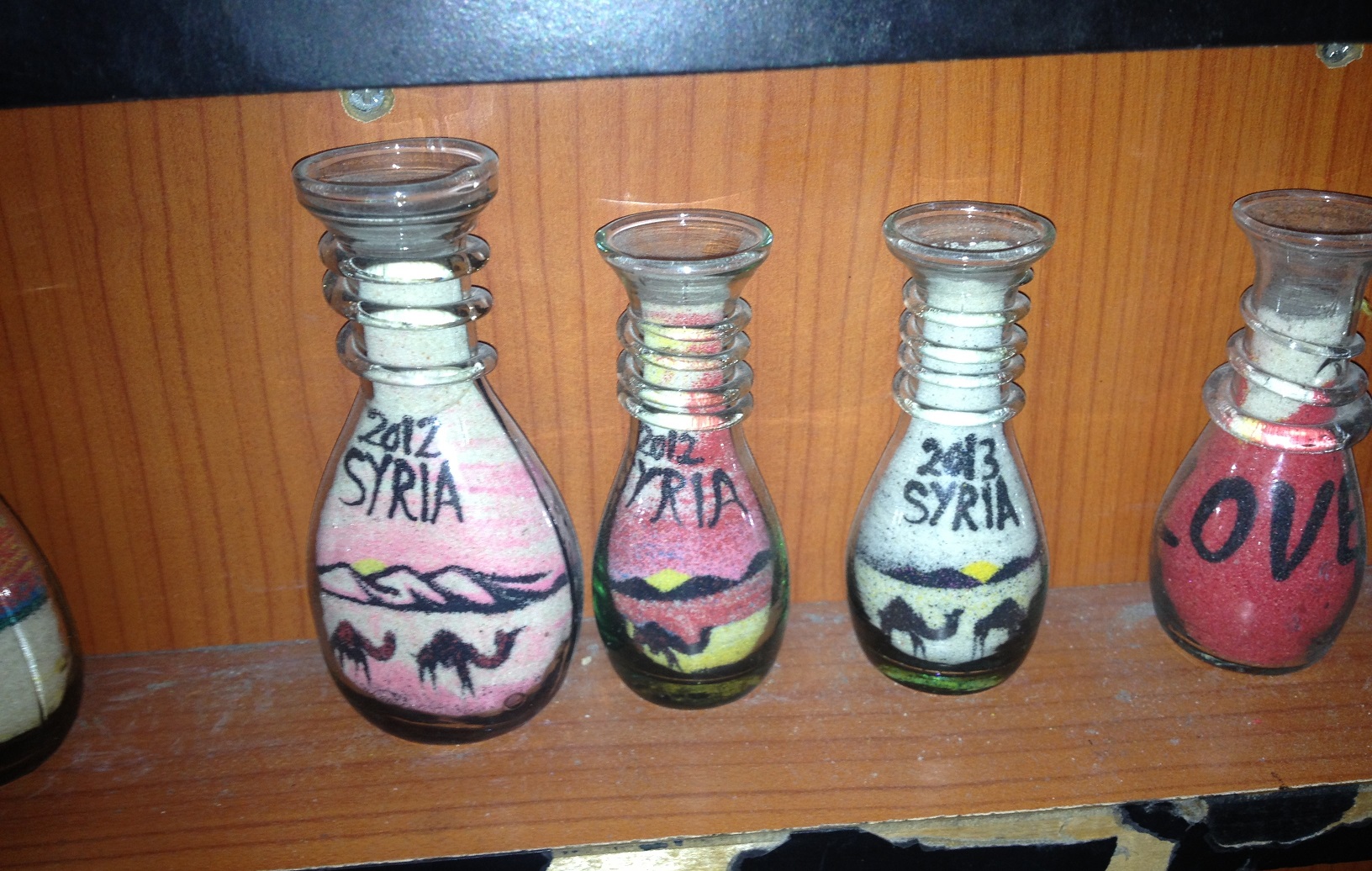
Have you been here before? Then the emptiness might strick you. Previously crowded and full of tourists, now a quiet part of the city, where unsold tourist souvenirs have replaced the liveliness.

old city 1

IMG_0186

souvenirs

Photos: Copyright Sweden and the Middle East Blog