Iraqi school girls paddle a small wooden boat across a river, as they head to school.
Najaf, Iraq
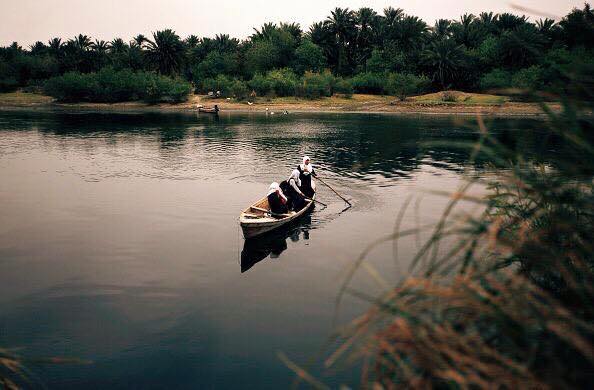

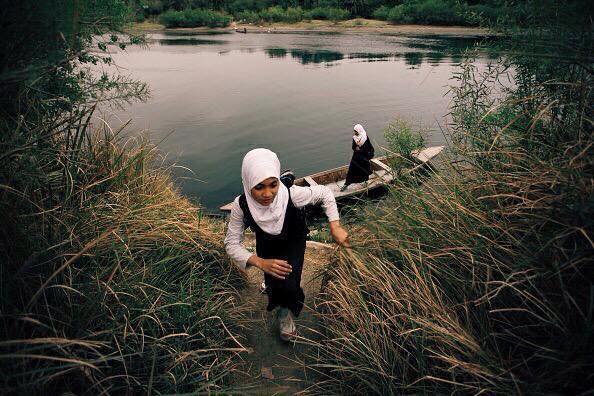
Photo credits: Tourism in Iraq

Iraqi school girls paddle a small wooden boat across a river, as they head to school.
Najaf, Iraq
Photo credits: Tourism in Iraq
After IS destroying ancient sculptures in the Mosul Museum, cleverly videotaping everything and uploading the demolition online for the world to share and condemn, without reflecting over the fact that we are all a part of IS propaganda machine, without actually putting the means in to stop them, a different kind of response came from Sweden.
The Swedish journalist Somar Al Naher published a photo of her mother who is from Iraq, when she visited Mosul Museum together with a group of girls 43 years ago, with a comment from Somar. Somar gave me the permission to publish this photo and her comment on Sweden and the Middle East Views. Here is what she had to say (translation from Swedish, Sweden and the Middle East Views):
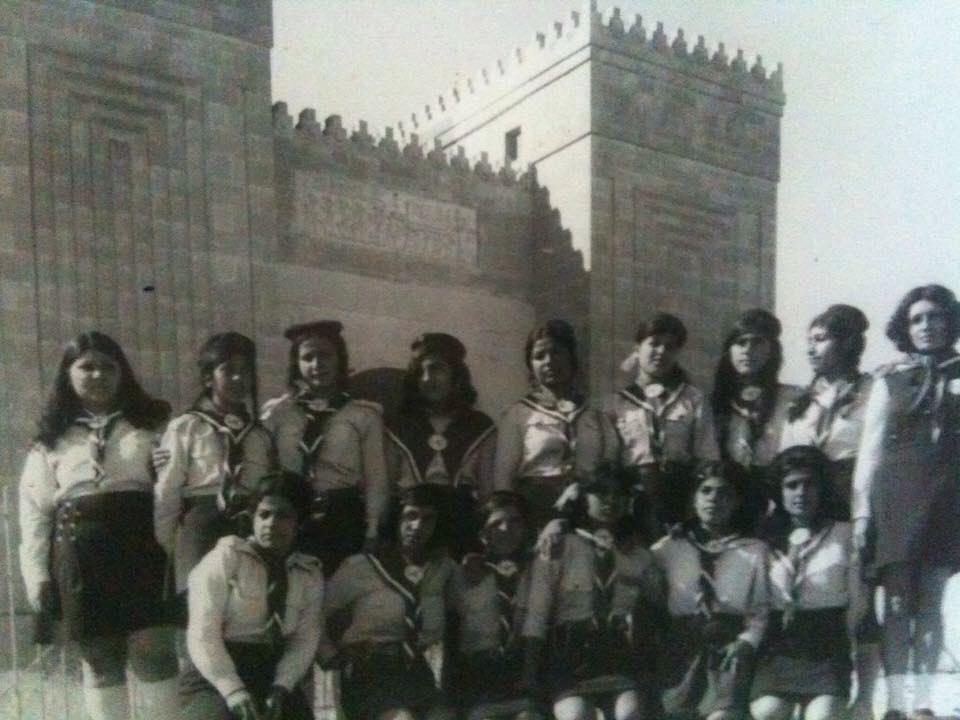
“I have to tell this story and why this is an endless sorrow. This photo was taken exactly 43 years ago outside the Mosul Museum that is now destroyed. In the picture you can see my mom, she is in the middle of the back row, number five from the left. In front of her sits her younger sister. What we see in the picture are girls on a Scout camp. Each summer a number of girls were chosen from schools in Karbala and Najaf, to go on a camp in a new city in Iraq. Several girls come from deeply religious families, some of them had parents who were illiterate. But the trust and the confidence made the families allow their daughters to go on camps in places that were far away from home.
This picture symbolises everything that is about to be destroyed in Iraq: the people, the shared history, the proud heritage but also the development and the future. The girls of this generation would have had the possibility to change the world.”
Photo copyright: Somar Al Naher
Dark times have been prevailing lately. I have commented on it in previous posts and decided it was time for another type of comment. Let me remind us all of the beauty that exists in the world, that the world is not only darkness but also light. Here are photos of some beautiful places in the region that I like the most, the Middle East.

Iraqi Kurdistan in spring

Iraqi Kurdistan in winter
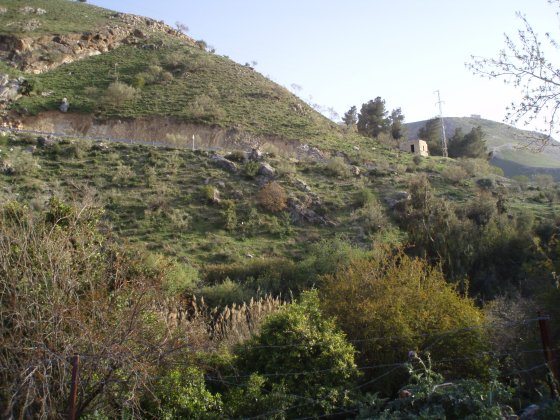
Jordan valley in spring, Jordan

Kuwait city at night time
Photo credit and photo copy rights: Abdulrahman Ali and Sweden and the Middle East Views
Women from the Gulf are not very common in media and an ordinary image of a Gulf woman is her dressed in nikab and abaya, not doing anything in particular.
My Kuwaiti friend who is so dedicated in showing the world different sides of the Gulf shared these photos with me. The explanations for the photos is from him and I have sometimes found more information about a certain person myself. He himself doesn’t have copyright has but downloaded them from different websites and shared them via his own social media. Therefore the copyright is unknown.
Enjoy the view of different beautiful women in different aspects of life.

Ibtisam Lufti, Saudi Arabian singer. Ibtisam belonged to the first generation of Saudi singers and achieved great success and popularity despite her handicap of being blind. Her main career took place in the 1970s and -80s and when announcing that she was leaving the scene it caused a public outrcry. Ibtisam is portrayed in the book “Women of Saudi Arabia” by Ali Fagandash. Year of the photo unknown.

Oman, late 1970s.

Aisha Al Marta, Kuwaiti singer, performing for women at a Kuwaiti wedding. Aisha is the third women from the left in the backrow. She was a Kuwaiti singer, born in 1934. Also Aisha was blind, she lost her sight at age 7. She joined a music group at age 14, secretely so as not to have any problems with her family. Later on she worked at Radio Kuwait and became an extremely popular folklore singer, performing traditional songs from the Gulf, famous for her patriotic songs. When she died in 1978 appearantly a national day of mourning was called for, and still “Aisha Al Marta” cultural events in her honor are being held in Kuwait. A Youtube video with Aisha you can see here. Year of the photo unknown.

Woman from Al Hijaz region, Saudi Arabia. Year unknown.

Women from Jaizan province, Saudi Arabia. Notice the difference in clothing between the women in this photo and the woman in the previous one.
There was a Kuwait even before the American troops went in 1991 to kick out the Iraqi occupiers. Kuwait is a source to a rich culture and heritage: it contained different tribes with different traditions, music and tales, beduoins living off the sea where they were fishing for food and pearls that they traded in one of their many travels around the Gulf region. But much of it has gotten lost to the outside world. What many foreigners see in Kuwait is the many fastfood restaurants and the malls that popped up en masse after the Americans came in and stayed on.
A Kuwaiti friend of mine is dedicated to show the Kuwaiti culture and it’s from him that I have received these photos. He doesn’t have the copyright he has himself received them through social websites, so I decided to share them on. The descriptions of the photos are from my friend.
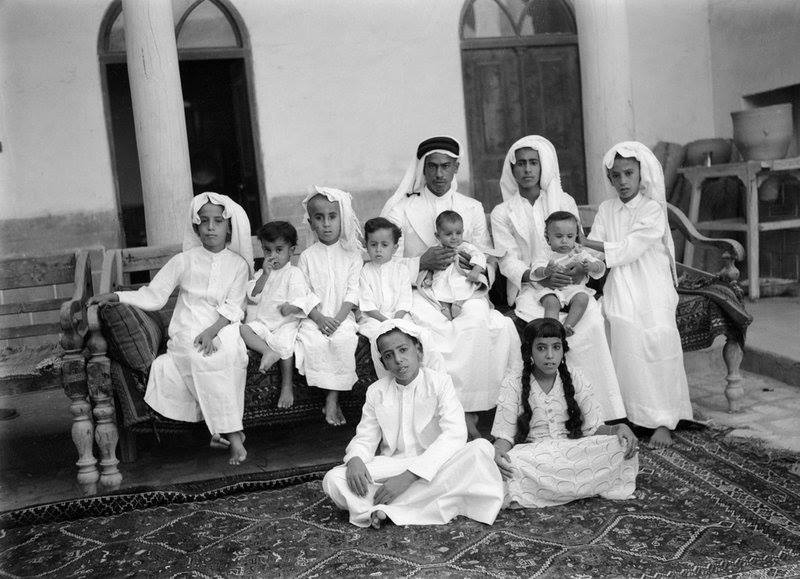
Kuwaiti traider with dependents, 1930s

Bedouin weaving, year unknown

Year unknown

Kuwait 1961

Kuwait 1961
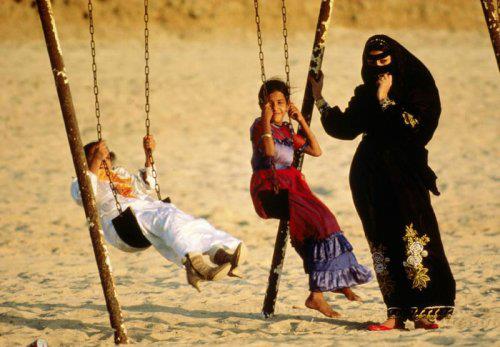
Year unkown
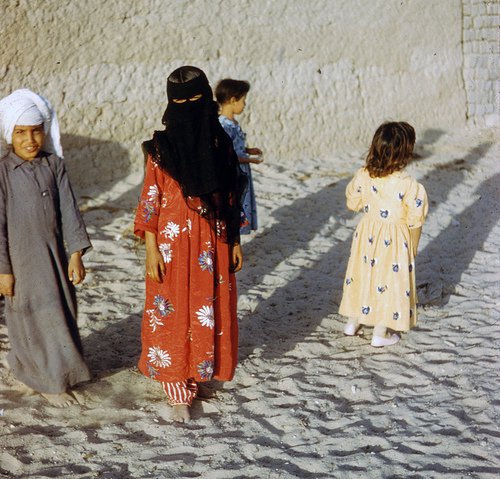
Year unknown
Photo copyrights: unknown
Photographs is a great way for knowing something that was without having been there.
Agricultural memory of Palestine is a Facebook page dedicated to show the world the agricultural heritage of Palestine through photos. Their shared images range from late 1800s up until the 1960s, and show men and women working in the fields and on the markets in the cities. The page were happy for me to write about them as they want to share their photos with the world. This is how they describe themselves:
“Our belief in the need to maintain the Palestinian memory, our goal is to strengthen the identity and belonging to the homeland and the cause. Through the page ‘Agricultural Memory of Palestine’ we highlight the heritage and agricultural history as part of an important and original aspect of our culture and the Palestinian identity.”
So what did Palestine once look like? Have a tour among the shared memories.
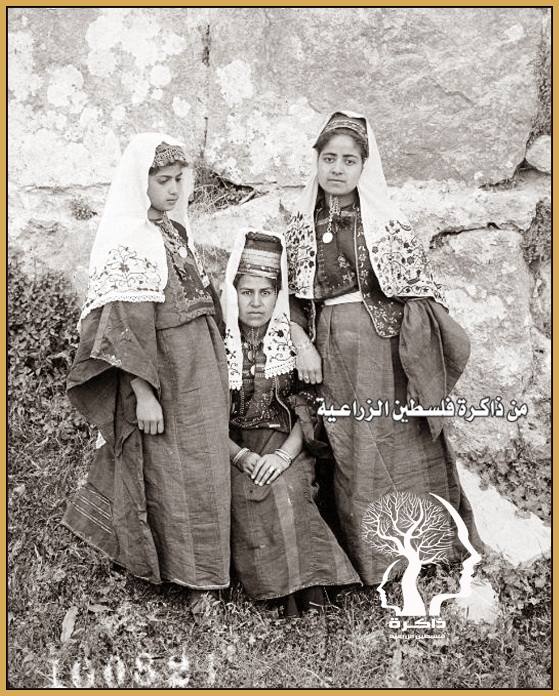
Girls in Betlehem, 1890.
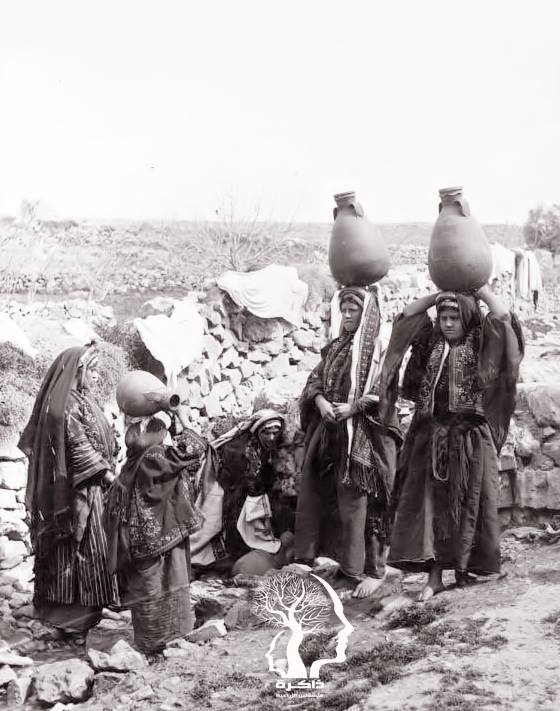
Peasants in Ramallah collecting water, 1900.
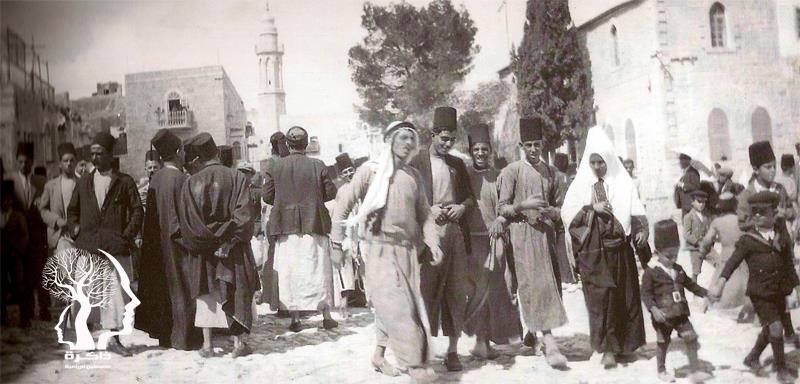
Betlehem market, 1931.
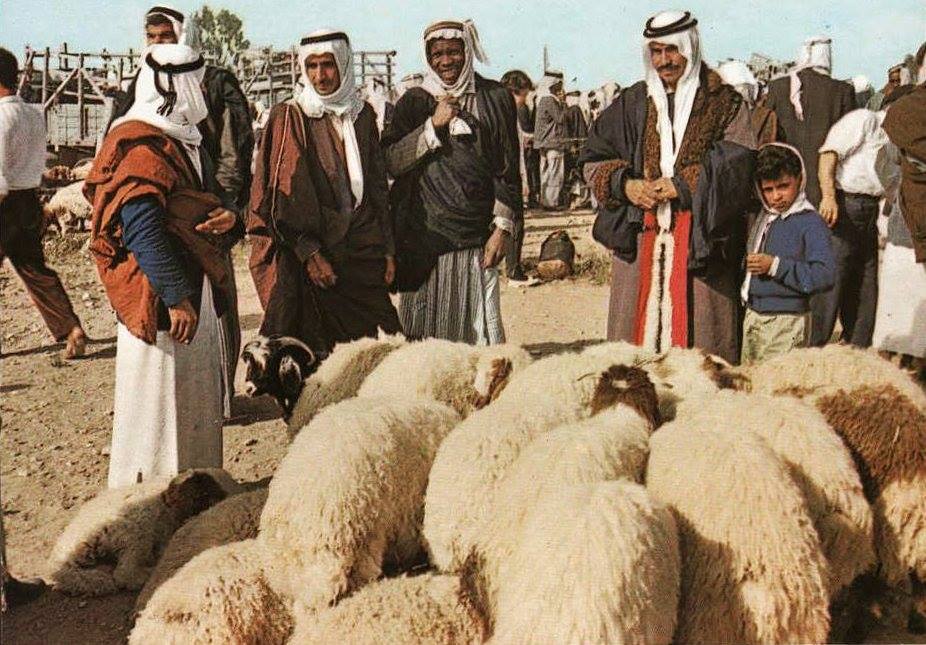
Ber Sheva halal market in the 1960s.
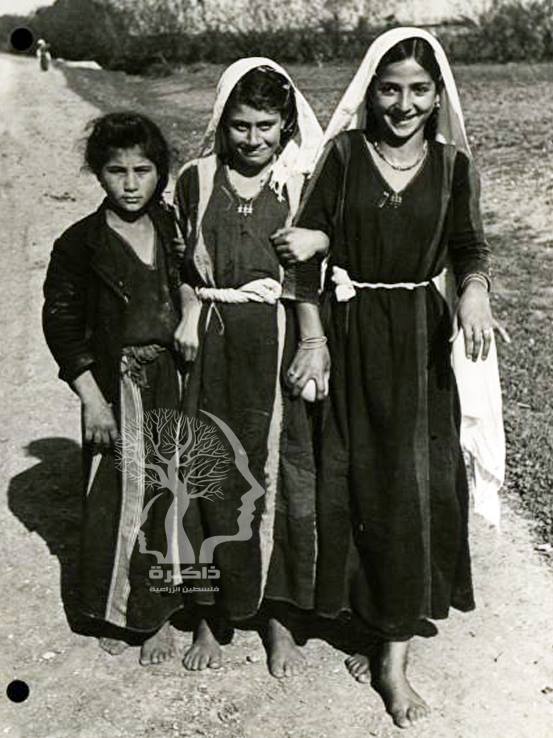
Girls, place and year unknown.
Photo copyrights: facebook.com/agriculture.memory
Different glimpses of the small gulf country that few people on the outside know much about. These photos are from when I lived in Kuwait 2007-2008, more presicely in the spring of 2008. Oh, and did I tell you how much I enjoyed the country?
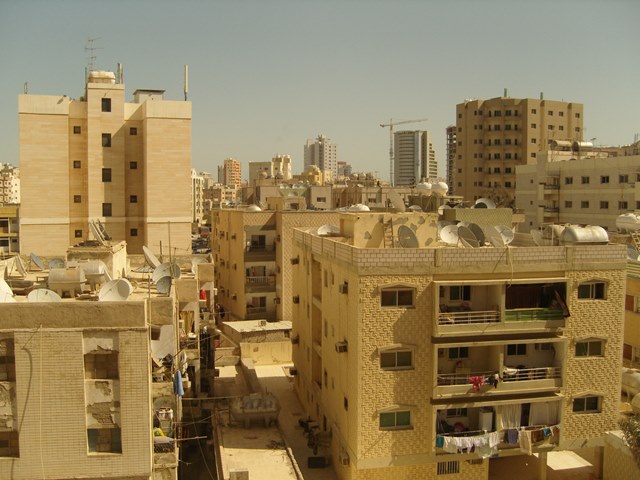

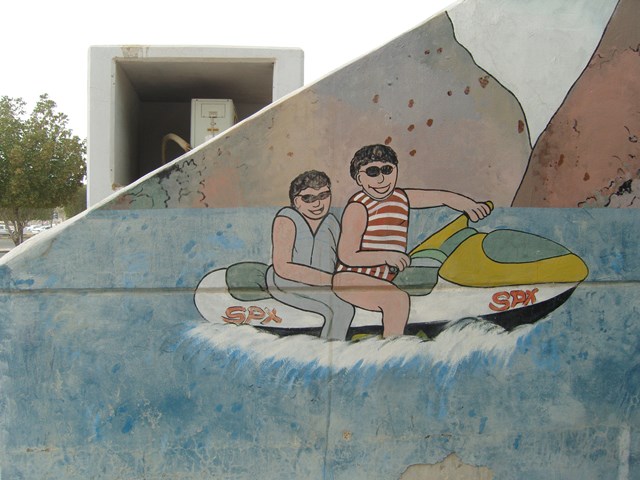

Photo copyright: Sweden and the Middle East Views
A Facebookpage that I follow is dedicated to show the world the old Iraq and regularly posts photos of a country many didn’t know exists. This is how the Rare Iraqi Pics page describes itself:
“Nostalgia is the only balm when we grow older… We miss our beginning as we approach the end.”
The page is popular, it has almost 40.000 followers, but the updates and descriptions are done in Arabic so many Westerners might not come across the page so easily. Therefore I decided to write about the page and share some of their photos with translations in English, with you.
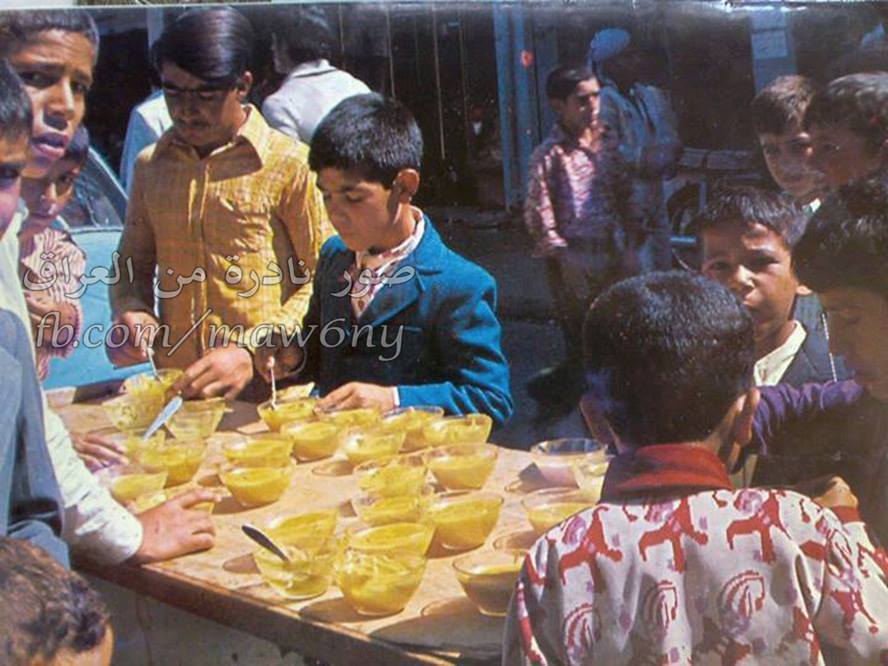
Eid in Mosul, Northern Iraq, one of the cities now under control of ISIS, 1976

Tigris river, Baghdad. Year is unknown but the card is printed in 1955

Seta Hagopian, Armenian-Iraqi singer, the photo is probably from early 1970s. Seta Hagopian was one of the first singers to combine old Iraqi songs with Western instruments. She’s still active and lives in Qatar and Canada since the late 1990s. You can find her MySpace page here.

Fashion shoot in the marshes, a wetland area in Southern Iraq, 1974
Photo credits: Rare Iraqi Pics Facebook community
I admit it, I have a thing for the Gulf. And Dubai is more than the expats, more than the oil, more than the fast money. There are beautiful places worth seeing, if you go off the beaten tracks.
These photos date a few years back to one of my trips to Dubai.


Photo copyrights: Sweden and the Middle East Views Blog
Gardens in Zayona district, Baghdad. Thank you Nawar Al-Saadi from Tourism in Iraq for allowing me to publish these photos! There are more sides than one of Baghdad.
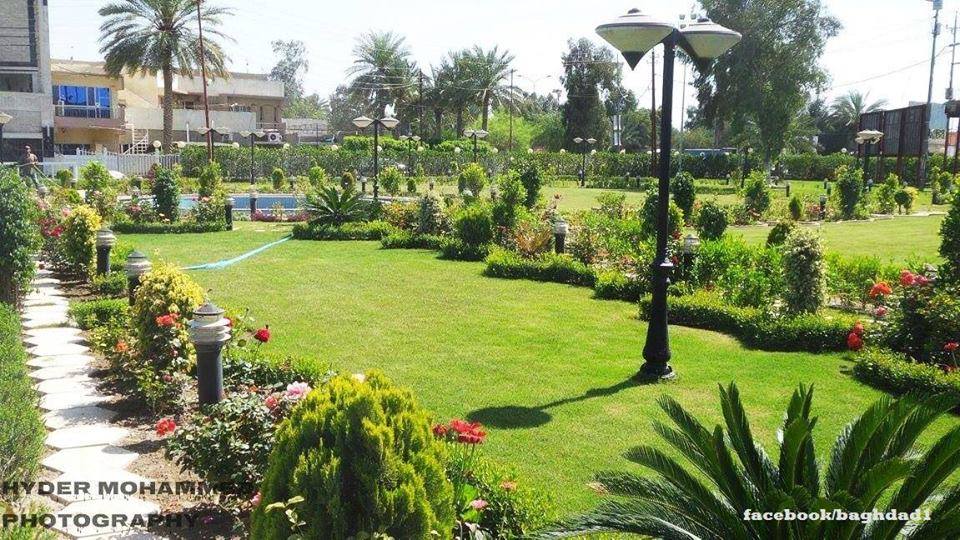
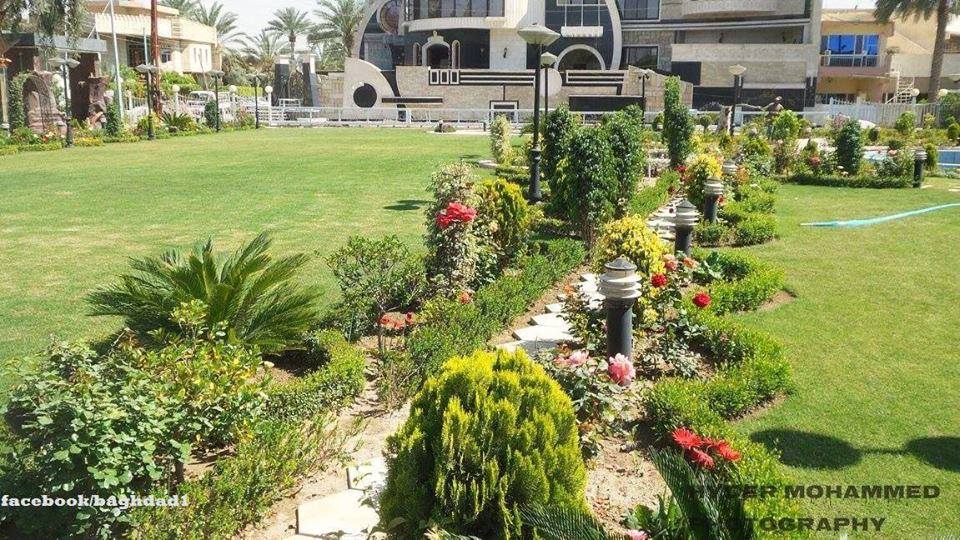
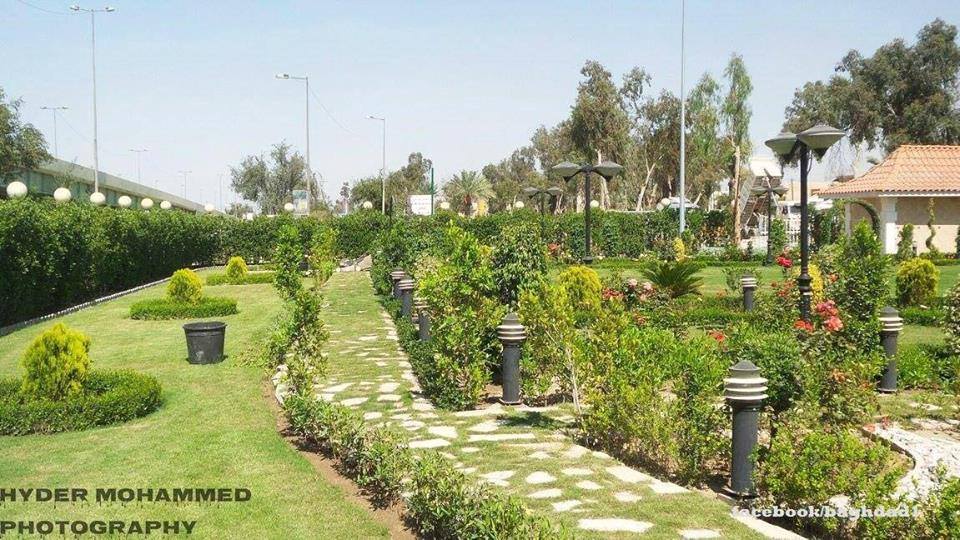
Photo credits: Tourism in Iraq
 Sweden and the Middle East Views