First Iraqi Female Mayor Elected

Unknown

Thikra Awash

With all awful news coming to us from everywhere these days, it’s wonderful to get positive news for once: Iraq appointed their first female mayor for Baghdad, Thikra Alwash (in some news spelled Zekra Alwach), and she is set to take up duties in her office as by today, Sunday February 22. In a country where women are fighting a slow battle against inequalities in many fields, a battle that is constantly facing set-backs due to the domestic conflicts, such an appointment is an important gesture to all of the country’s women. Although women traditionally have held many high political positions in Iraq – both during Saddam Hussein’s regime and after the US invasion – Ms Awash is supposedly the first one to hold the position of being a mayor.

According to Daily Star Lebanon, Ms Awash is a civil engineer by background and was previously the Director General of the Ministry of Higher Education – this is also stated in her Linkedin profile. In Ms Awash’s new role as a mayor she will be dealing directly with the Prime Minister Haider al-Abadi and will therefore be able to push her agenda, the agenda of the city of Baghdad, on a high level.

Some voices today criticised Ms Awash’s lack of political experience, and the fact that her predecessor Naim Aboub was removed by the prime minister in the blink of an eye. But still so, the choice of a female mayor in a time when dangerous, backwards powers are threatening the country of Iraq, is a brave and forward one. Let’s all keep our fingers crossed for Ms Awash and what the future holds for her, as well as her fellow Iraqi sisters.

Photo credit: Twitter @SAijaz_

“I do, with much content, support Jordan’s role in fighting what’s called ISIS” – Jordanians on the Bombings of IS

alalam_635586620027933542_25f_4x3

Moath Al-Kassasbeh

The world remains passive and unable to respond, it seems, while IS are slaughtering their way across the Middle East. But after the horrifying killing of the Jordanian pilot Moath Al-Kassabeh a new actor picked up weapons to fight the multi headed dragon: the Jordanian king.

Maybe it’s just the royal PR, but news went out that king Abdullah himself went up in the air to bomb IS, and that the Jordanian airforce intensified bombings against IS as a response to the murder. More than that, they quickly executed a few convicts and alleged terrorists, among them Sajida Al-Rishawi, who had been on death row for a failed suicide attempt since 2005, and whose appeal was still in process. The video footage of Al-Kassabeh reached internet on February 3rd, and Al-Rishawi and Al-Karbouly were hanged in the early hours of February 4th. The justice in these hastened decisions can definitely be questioned. In the war against IS it seems however that all normal rules are out of order. And Jordan seems to be the only actor at the moment this is willing – and able to? – take up the fight against IS. For a comment on this, I asked two of my close friends who are Jordanians, Rasha and Rami who are married, about their opinions. They have been working and studying in different regions all over the world and are currently living outside of Jordan.

“I am with the government in bombing ISIS because they are a real threat to Jordan and the region, but I am really worried about the consequences of this war”, Rasha said. “About Moath, when I knew that he was captured by ISIS, I expected he will be killed. However, I don’t expect him to be burned alive… When ISIS released the video about killing him, my heart broke. I was a little relieved when the government executed Sajida and the other guy who were sentenced to death long time ago and started a revenge for him. I was happy because Jordanian united against ISIS and we didn’t have a chaos in Jordan.”

Her husband Rami was even more decisive:

I do, with much content, support Jordan’s role in fighting what’s called ISIS. This gang has been committing brutal crimes against humanity and somebody has to stop them! Their barbarian acts of executing journalists, humanitarian field workers and, lately, the Jordanian pilot have revealed their insanity and lack of any ethical and humanitarian principle… They are a real threat to the region and their distorted ideology is a major threat to humanity.

Maybe this united force will be a turning point in the war against IS? I don’t know myself. But we are definitely onto a new path in this international crisis.

Photocredit: en.alalam.ir

Beautiful Photos in a Dark Time

Dark times have been prevailing lately. I have commented on it in previous posts and decided it was time for another type of comment. Let me remind us all of the beauty that exists in the world,  that the world is not only darkness but also light. Here are photos of some beautiful places in the region that I like the most, the Middle East.

kstan berg

Iraqi Kurdistan in spring

iraqi kurdistan winter

Iraqi Kurdistan in winter

OLYMPUS DIGITAL CAMERA

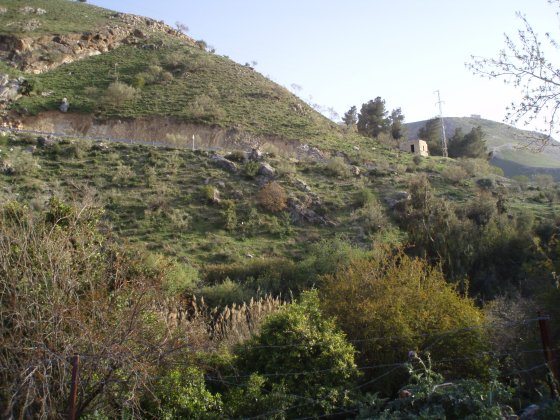
Jordan valley in spring, Jordan

kuwait vattnet

Kuwait city at night time

Photo credit and photo copy rights: Abdulrahman Ali and Sweden and the Middle East Views

Gulf Women in Photos

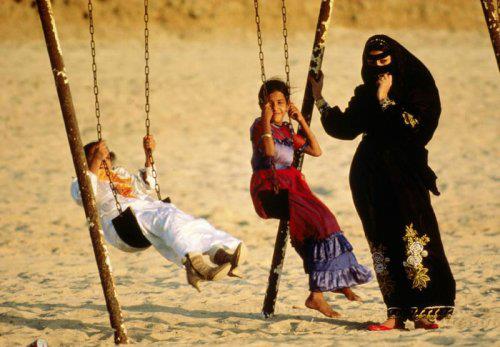
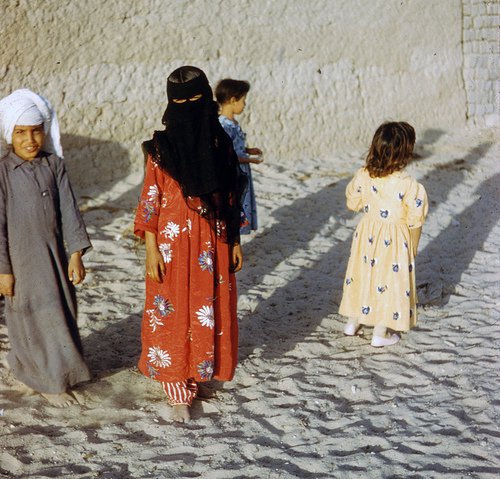
Women from the Gulf are not very common in media and an ordinary image of a Gulf woman is her dressed in nikab and abaya, not doing anything in particular.

My Kuwaiti friend who is so dedicated in showing the world different sides of the Gulf shared these photos with me. The explanations for the photos is from him and I have sometimes found more information about a certain person myself. He himself doesn’t have copyright has but downloaded them from different websites and shared them via his own social media. Therefore the copyright is unknown.

Enjoy the view of different beautiful women in different aspects of life.

Ibtisam Lufti, Saudi Arabian singer. Ibtisam belonged to the first generation of Saudi singers and achieved great success and popularity despite her handicap of being blind. Her main career took place in the 1970s and -80s and when announcing that she was leaving the scene it caused a public outrcry. Ibtisam is portrayed in the book “Women of Saudi Arabia” by Ali Fagandash. Year of the photo unknown.

Oman late 70s

Oman, late 1970s.

Aisha Al Marta, Kuwaiti singer, performing for women at a Kuwaiti wedding. Aisha is the third women from the left in the backrow. She was a Kuwaiti singer, born in 1934. Also Aisha was blind, she lost her sight at age 7. She joined a music group at age 14, secretely so as not to have any problems with her family. Later on she worked at Radio Kuwait and became an extremely popular folklore singer, performing traditional songs from the Gulf, famous for her patriotic songs. When she died in 1978 appearantly a national day of mourning was called for, and still “Aisha Al Marta” cultural events in her honor are being held in Kuwait. A Youtube video with Aisha you can see here. Year of the photo unknown.

Saudi Arabia Al Hijaz

Woman from Al Hijaz region, Saudi Arabia. Year unknown.

Women from Jaizan province, Saudi Arabia. Notice the difference in clothing between the women in this photo and the woman in the previous one.

The Country of Kuwait Before the Americans Moved In

There was a Kuwait even before the American troops went in 1991 to kick out the Iraqi occupiers. Kuwait is a source to a rich culture and heritage: it contained different tribes with different traditions, music and tales, beduoins living off the sea where they were fishing for food and pearls that they traded in one of their many travels around the Gulf region. But much of it has gotten lost to the outside world. What many foreigners see in Kuwait is the many fastfood restaurants and the malls that popped up en masse after the Americans came in and stayed on.

A Kuwaiti friend of mine is dedicated to show the Kuwaiti culture and it’s from him that I have received these photos. He doesn’t have the copyright he has himself received them through social websites, so I decided to share them on. The descriptions of the photos are from my friend.

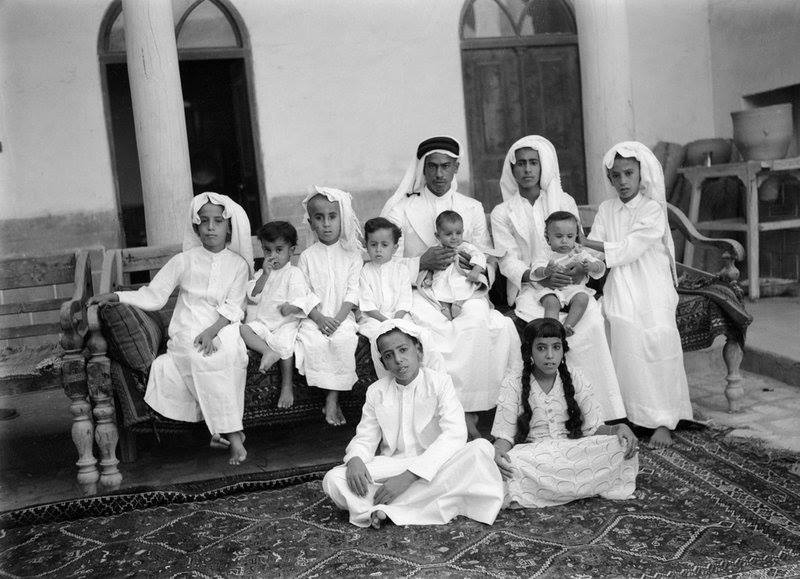
A Kuwaiti trader with dependents to another 1930s

Kuwaiti traider with dependents, 1930s

Bedouin weaving Kuwait

Bedouin weaving, year unknown

kuwait year unknown

Year unknown

Kuwait 2 1961

Kuwait 1961

Kuwait 1961

Kuwait 1961

unknown 5

Year unkown

unknown 7

Year unknown

Photo copyrights: unknown

Don’t Hate

images

I wrote the post “Being from Gaza” during the Israeli attack on Gaza this summer when thousands of civilians died. Now news popped up the other day on the shooting during prayer time in a synagogue in Jerusalem and the predictable counterattacks by the Israeli army. I wanted to comment on the violence and then I found this quote on the Facebook page “Palestine Loves Israel“, a peacepromoting page (not a pro-Israel page) managed by a Palestinian. He captured things so well that I’d like to let his quote speak for itself.

I’ve been managing this page for almost 3 years and during this time, I’ve met hundreds of amazing people from both sides and from every corner of the world. We’ve endured two wars together, we’ve celebrated our holidays together (who can forget the chanukka candles from Gaza?) and mourned our dead together. During all this time, I’ve never lost hope that one day, we can live as neighbors and friends in peace and prosperity. I don’t loose hope because I know we’re all in this together.

But in times like this, I see so much hatred on both sides. It’s painful to watch. What I see is always the same: It’s dehumanization. It’s easy to dehumanize the other side, to call them monsters, to hate them. It’s much easier than to try and find a solution. In times like this, it’s a very difficult thing to reach out to the other side, especially when there is so much pain. It’s a difficult thing to show compassion for “the enemy” when you’re supposed to be hating them. Reaching out to the other side despite the traumatic pain, despite the ongoing conflict is a heroic act. Dehumanizing and hating everyone on the other side is certainly easier. But it’s not helpful. It’s fueling the fire. And the vicious cycle of hate and revenge is going on and on…

In this project, I’ve met many heroes. I’ve met Palestinians and Israelis who reached out to each other, no matter what. Who said: “I’m sorry for your pain, I wish you well” in the middle of war. Who said: “I love you so much and say hi to your mom!” despite the ongoing conflict. I’ve met so many heroes… people who changed from extremists into peace workers. People who let go their hate and replaced it with compassion. So many heroes…

No, I don’t loose hope.

Please stay safe everyone and take good care of each other. These are troubled times but we will make it through together.

Photocredit: abc.net.au (the photo is from a previous attack in Jerusalem)

Remembering Old Palestine in Photos

Photographs is a great way for knowing something that was without having been there.

Agricultural memory of Palestine is a Facebook page dedicated to show the world the agricultural heritage of Palestine through photos. Their shared images range from late 1800s up until the 1960s, and show men and women working in the fields and on the markets in the cities. The page were happy for me to write about them as they want to share their photos with the world. This is how they describe themselves:

“Our belief in the need to maintain the Palestinian memory, our goal is to strengthen the identity and belonging to the homeland and the cause. Through the page ‘Agricultural Memory of Palestine’ we highlight the heritage and agricultural history as part of an important and original aspect of our culture and the Palestinian identity.”

So what did Palestine once look like? Have a tour among the shared memories.

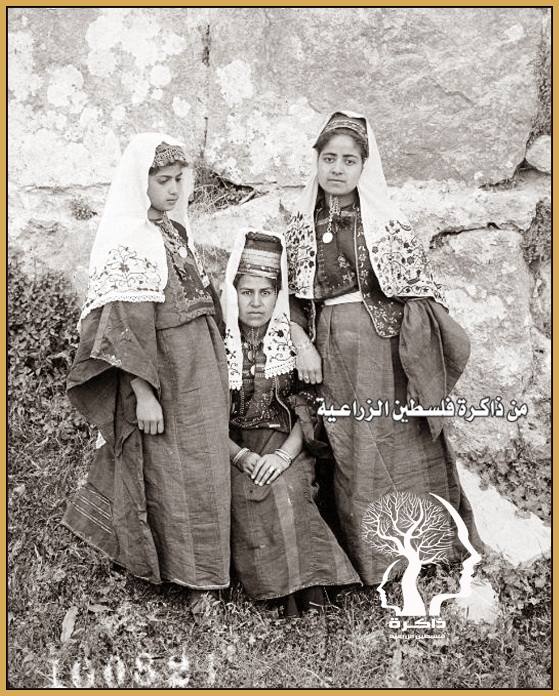
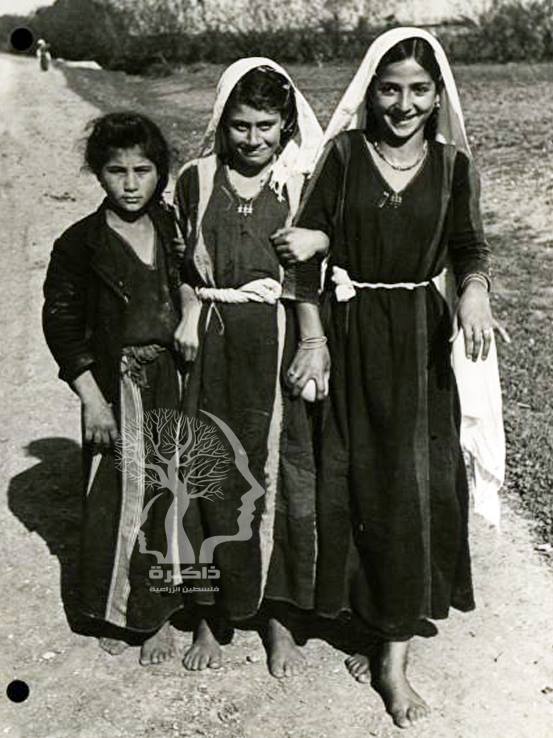
Girls of Betlehem 1890

Girls in Betlehem, 1890.

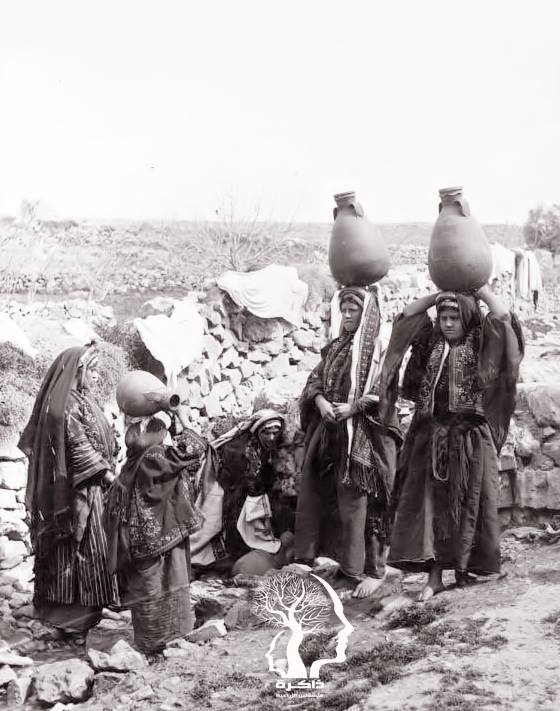
Peasants from Ramallah who fill water tractor-1900 m

Peasants in Ramallah collecting water, 1900.

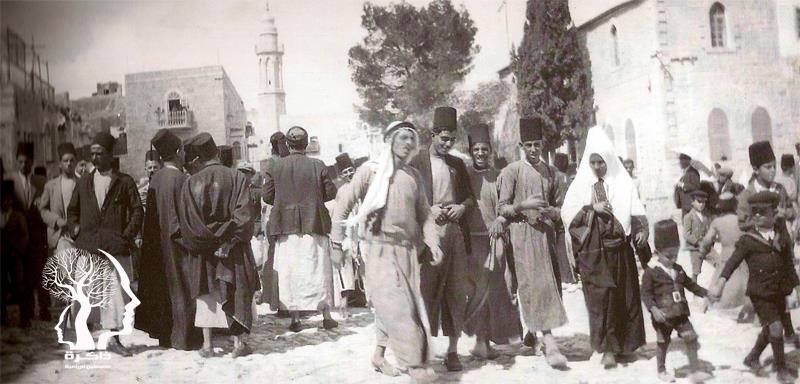
Betlehem market 1931

Betlehem market, 1931.

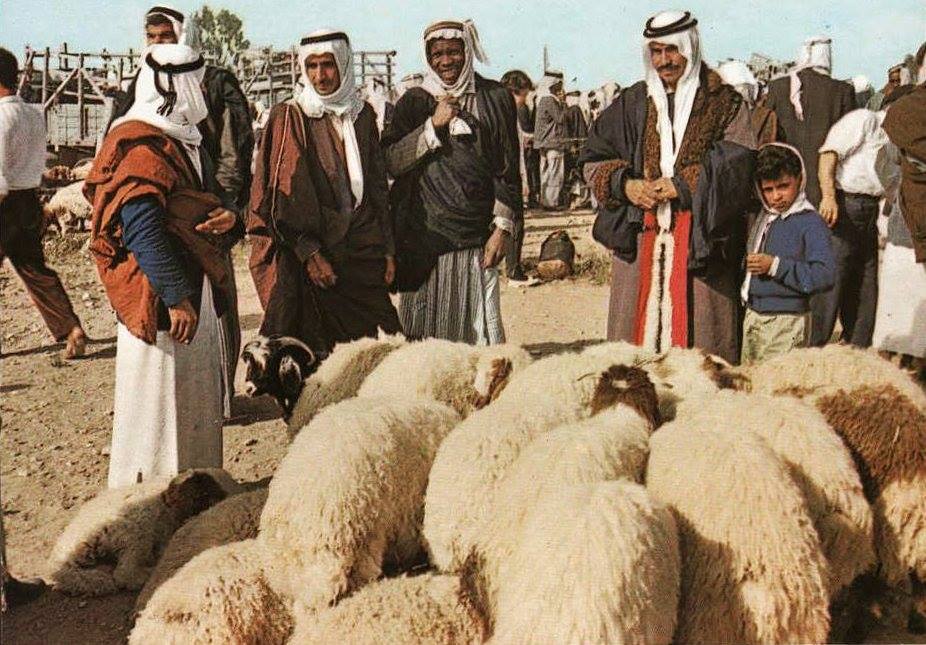
Ber Sheva halal market in 1960s

Ber Sheva halal market in the 1960s.

Girls

Girls, place and year unknown.

Photo copyrights: facebook.com/agriculture.memory

First Female Prosecutors Sworn-In in Kuwait

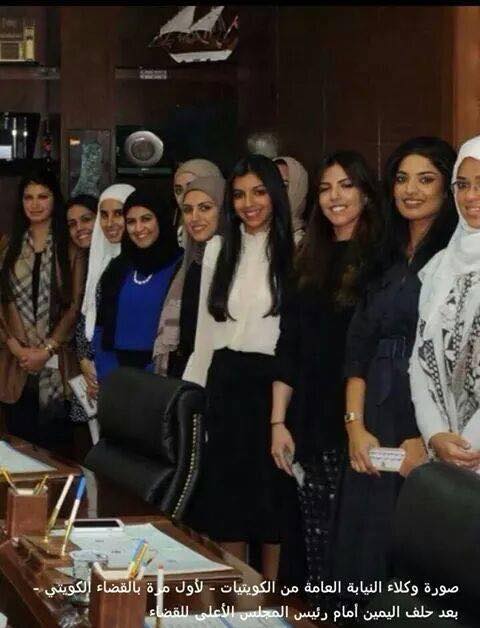
In Kuwait women were given the right to vote and participate in elections as late as 2005, so when the news broke a few years back that the country would allow female prosecutors for the first time, this was to many a step forward. Kuwait is not as oppressive to women as some of their neighbouring countries – there’s no mandatory dress code for women, women are not banned from driving and there are fewer restrictions on work places for women than in Saudi Arabia. But it’s still behind many of the other Middle Eastern countries.

The other day the first batch of women prosecutors were sworn in, more precisely 22 of them, creating more headlines. It hadn’t been an easy path – Islamist MPs who opposed the women had delayed the process by several months, claiming that under Islamic Sharia law women cannot be judges, which they as prosecutors now have the possibility to be. In the end the new justice minister Yacoub Al-Sane (also a man) signed a decision to appoint the prosecutors, putting an end to the delay. After the women had been sworn in, MP Humoud Al-Hamdan held a press conference where he critiziced the decision and said that he and other Islamist MPs were to submit a draft law to ban the appointment of women judges, as this is against Islamic law.

Many others celebrated the event though and the group photo of smiling young women was shared widely online among Gulf people and women’s rights supporters, generating positive feedback but also comments from men such as “I can’t wait to be prosecuted in Kuwait!” and “They don’t look Kuwaiti, they must be Lebanese” (the ultimate insult for a Gulf girl).

I asked one of my male Kuwaiti friends what he thought of the women prosecutors and he gladly shared his views – on the condition that he could remain anonymous. My friend is not an activist, but he says he like to keep an eye on politics. His answer surprised me as I myself was very positive about the women prosecutors.

“I am not so excited” he says. “In 2005, I was super excited for women to get the ‘right’ of voting. But having a look into history will show something hidden. Before 2005, There was a lot of failed attempts for female activists for the right of voting. What was changed in 2005? It is external pressure. The government in Kuwait wanted to release this pressure by directing the members to vote for the right of the woman. Therefore, women were used to polish the authorities’ image to the West, and gaining this right was not because of local female activists.

The trick is using women to polish the image of the governments from the Western perspective, without allowing a real impact within the inside of the society. In all cases, what did women added in Kuwait after 10 years of gaining the right? We still see discrimination against women, less rights in the society etc.

The government today has a bad image because of funding the extremist groups all over the world, and it need to polish the image again. Therefore, women are the best tool to be used. I don’t feel that the society is pushing for more women rights. To see real impact, the change should come from the society, the average people. In fact I could say that using women this way is another way of abusing women in a completely patriarchal society. And we will never see any real impact to change the basic systematic violation of women rights.”

Let’s hope the appointment of these 22 women will be a step in the direction of real implementation of women’s rights and that this trickles down to the average people that my friend is talking about. So that the feedback for the next batch of prosecutors will generate more positive comments than sexist ones. At least they have male supporters. That’s something to cherish.

Photo credit: www.facebook.com/sultan.alqassemi

“You as a Woman are Guilty Until You Prove the Opposite” – The Execution of Reyhaneh Jabbari

taz.de

Reyhaneh Jabbari

As Reyhaneh Jabbari was hanged yesterday, the 26-year old Iranian woman convicted of stabbing a man who tried to rape her, international media filled up with stories about the unfair trial and the torture Reyhaneh supposedly was exposed to before being sentenced.

Reyhaneh claimed that she met Morteza Abdolali Sarbandi in a coffee shop and after he asked her to come to his office to discuss a business deal, he tried to rape her, why she in selfdefence stabbed him with her pocket knife before fleeing. Her lawyer reportedly published on his blog about the unfair trial against Reyhaneh as a plea for help, there were media campaigns against Reyhaneh’s execution, but the media attention didn’t help. After 7 years in prison, for which under some time she was prevented from contact with her family and from having a lawyer, she was hanged in Gohardasht prison in Teheran on the morning of Saturday October 25.

I asked an Iranian man that I know who’s living outside of Iran how he felt about the hanging, and he had many things to say. These are his words:

“Reyaneh has basically been considered guilty to one thing, and that is that she has defended herself as a woman. In many ways you as a woman are considered to be guilty until you in some way prove the opposite. ‘Evidence’ is here quite an irrelevant word.”

He talks about how the police in Iran are not conducting proper forensic investigations, and that facts is not important in the judicial system.

“If the judge thinks she is guilty for whatever reason,  she is guilty no matter what the circumstances are. It’s also ridiculously humiliating that Reyhaneh’s family have to ask the man’s family for mercy so that they shall spare her life. In this way the system is positioning one family against another. It’s not about proportion, facts or the right to defend yourself, but simply about a system that wants to prove that you as a woman shall not defend yourself and that you don’t have the right to a fair trial. But these kind of cases are not uncommon in Iran, there are worse… In the bigger picture this is not surprising. In Isfahan women have had acid thrown on their faces. This is just one case of many.”

Photo credit: taz.de

Spring in Kuwait

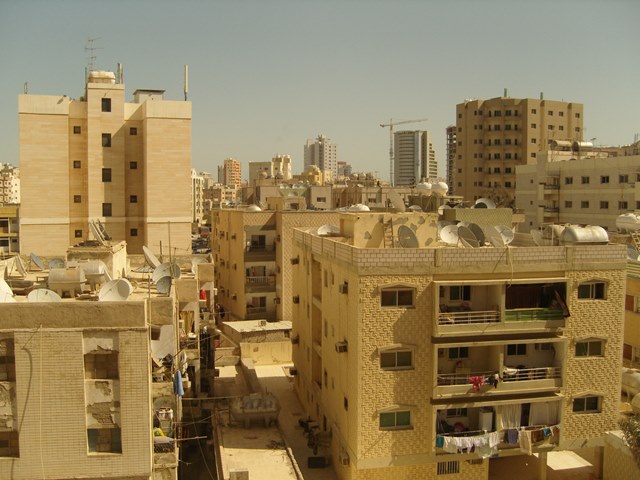
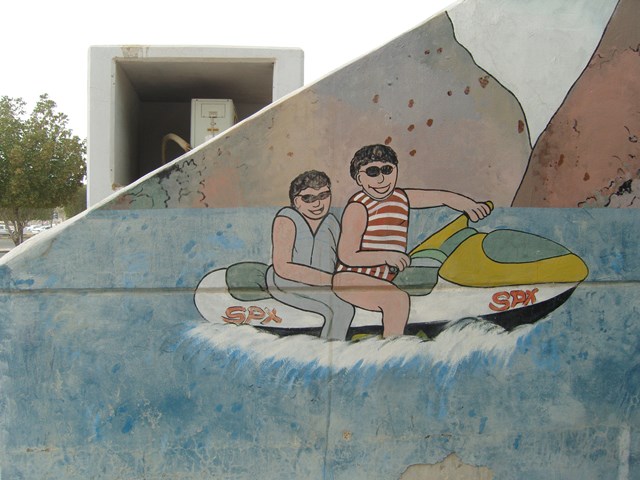
Different glimpses of the small gulf country that few people on the outside know much about. These photos are from when I lived in Kuwait 2007-2008, more presicely in the spring of 2008. Oh, and did I tell you how much I enjoyed the country?


Photo copyright: Sweden and the Middle East Views